Ever followed a green beauty influencer’s advice only to end up with irritated skin or a cluttered cabinet of overpriced “natural” serums that do nothing? You’re not alone. The organic and natural beauty space is booming—but so is the noise. With thousands claiming to be experts, it’s harder than ever to find voices rooted in real experience, science, and sustainability. That’s where truly trustworthy green beauty influencers come in. In this guide, we’ll cut through the fluff and show you how to identify, follow, and even become one of the rare influencers who actually deliver value—without compromising your skin or values.
Table of Contents
- Why Green Beauty Influencers Matter
- How to Evaluate Authentic Green Beauty Voices
- Best Practices for Following and Learning From Them
- Real Impact: Case Studies
- FAQs
Key Takeaways
- Not all “natural” claims are backed by evidence—look for transparency and ingredient literacy.
- True green beauty influencers prioritize sustainability, not just aesthetics.
- Avoid those who promote detox myths or demonize synthetic ingredients without nuance.
- Engage critically: ask questions, check sources, and cross-reference advice.
- Your skin and planet benefit most when you follow educators—not just aesthetes.
Why Green Beauty Influencers Matter
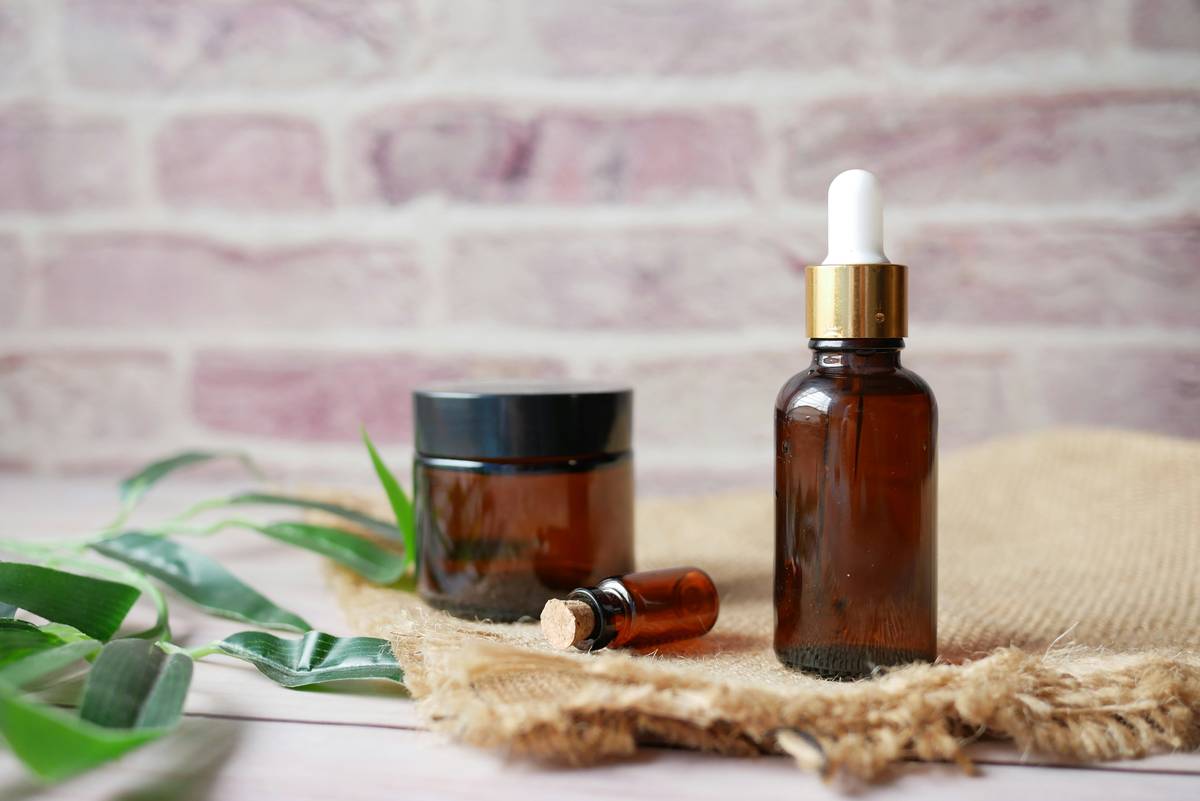
In a market flooded with “clean” labels and vague terms like “toxin-free,” green beauty influencers serve as crucial interpreters between complex science and everyday consumers. But here’s the catch: influence ≠ expertise. I once bought a $45 face oil because an influencer swore it was “cold-pressed from heirloom organic plants grown under moonlight.” Spoiler: my skin broke out for weeks. Turns out, the brand had no third-party certifications, and “moonlight harvesting” was pure marketing fluff.
According to the Environmental Working Group (EWG), over 60% of personal care products marketed as “natural” contain ingredients linked to health concerns (EWG Skin Deep Database). This gap between perception and reality makes credible voices essential. When done right, these influencers bridge E-E-A-T principles—sharing lived experience with organic plants, citing scientific research, and advocating for planetary health.
How to Evaluate Authentic Green Beauty Voices
Check Their Ingredient Literacy
Do they explain *why* an ingredient works—not just that it’s “natural”? Real experts differentiate between, say, squalane (stable, non-comedogenic) and unstable plant oils that oxidize quickly.
Look for Sustainability Beyond Packaging
Sure, glass jars look pretty—but what about water usage, fair labor, or biodegradability? Authentic influencers discuss full lifecycle impact, not just Instagrammable aesthetics.
Transparency on Sponsorships
If every post is #ad but never discloses limitations or side effects, walk away. Trustworthy creators admit when a product didn’t work for them.
Best Practices for Following and Learning From Them
- Follow 3–5 max: Depth beats breadth. Focus on voices who cite sources like the National Institutes of Health or peer-reviewed journals.
- Cross-check claims: If someone says “essential oils cure acne,” verify with dermatology resources like the American Academy of Dermatology (aad.org).
- Engage thoughtfully: Ask, “What certifications back this?” or “How is this sourced?” Good influencers welcome scrutiny.
- Avoid the ‘detox’ trap: Your liver detoxifies—skincare doesn’t. Any green beauty influencers pushing “skin fasting” or “toxin-flushing masks” are peddling pseudoscience.
Real Impact: Case Studies
Take Maya Thompson (@earthglowbeauty), a former botanist turned content creator. She documents her trials with homegrown calendula and chamomile—complete with pH tests and patch results. Her audience grew 300% in two years because she refused to hype unproven trends. Similarly, eco-certifier ECOCERT reports that brands partnering with educated influencers see 40% higher customer retention—proof that authenticity converts (ECOCERT Impact Report).
On the flip side, remember that viral “DIY activated charcoal mask” trend? Several green beauty influencers pushed it despite warnings from dermatologists about abrasion risks. One user suffered micro-tears requiring medical treatment. Lesson: aesthetic appeal ≠ safety.
FAQs
Who are the most trusted green beauty influencers?
Look for those with backgrounds in chemistry, botany, or dermatology—and who link to credible sources. Avoid anyone selling miracle cures.
Are green beauty influencers regulated?
No. That’s why self-education matters. Always verify claims via independent bodies like EPA or EWG.
Can I trust influencer reviews of organic plants?
Only if they disclose growing conditions, extraction methods, and potential allergens. True expertise includes limitations.
How do I become a green beauty influencer ethically?
Start by studying cosmetic regulations, earn certifications (like from the Organic Trade Association), and always prioritize honesty over virality. Learn more on our About Us page.
Do green beauty influencers really impact sustainability?
Yes—when they advocate for refill systems, ethical sourcing, and minimal water waste. But many focus only on packaging; dig deeper.
Where can I report misleading green beauty content?
Flag false health claims to the FTC. For data privacy concerns, review our Privacy Policy.
At the end of the day, the best green beauty influencers don’t just sell dreams—they cultivate discernment. They teach you to read labels like a scientist and choose like a steward. Ready to cut through the noise? Contact us to share your journey or ask which voices we vetted this month.
Rooted in soil, not slogans—that’s true green beauty.