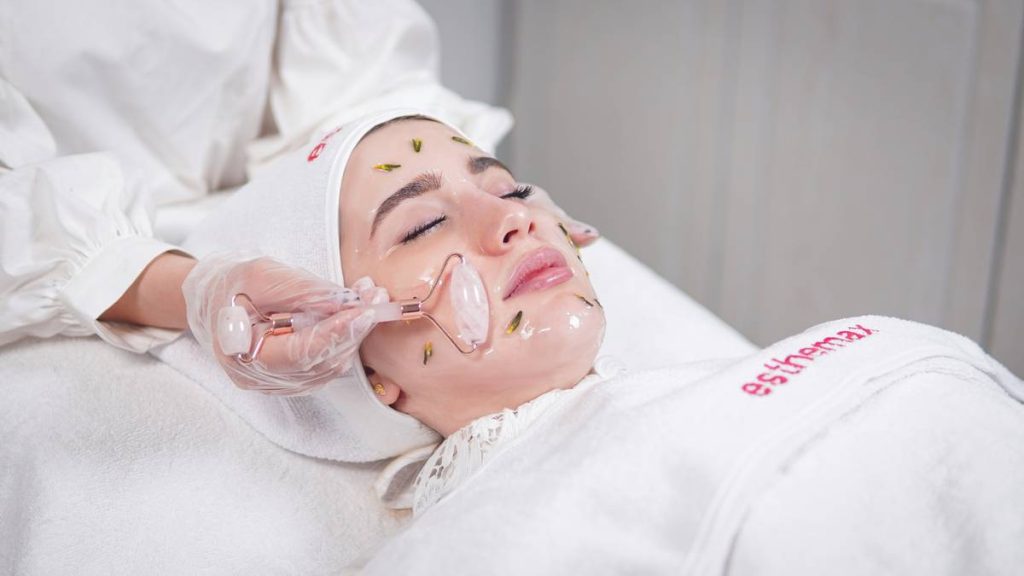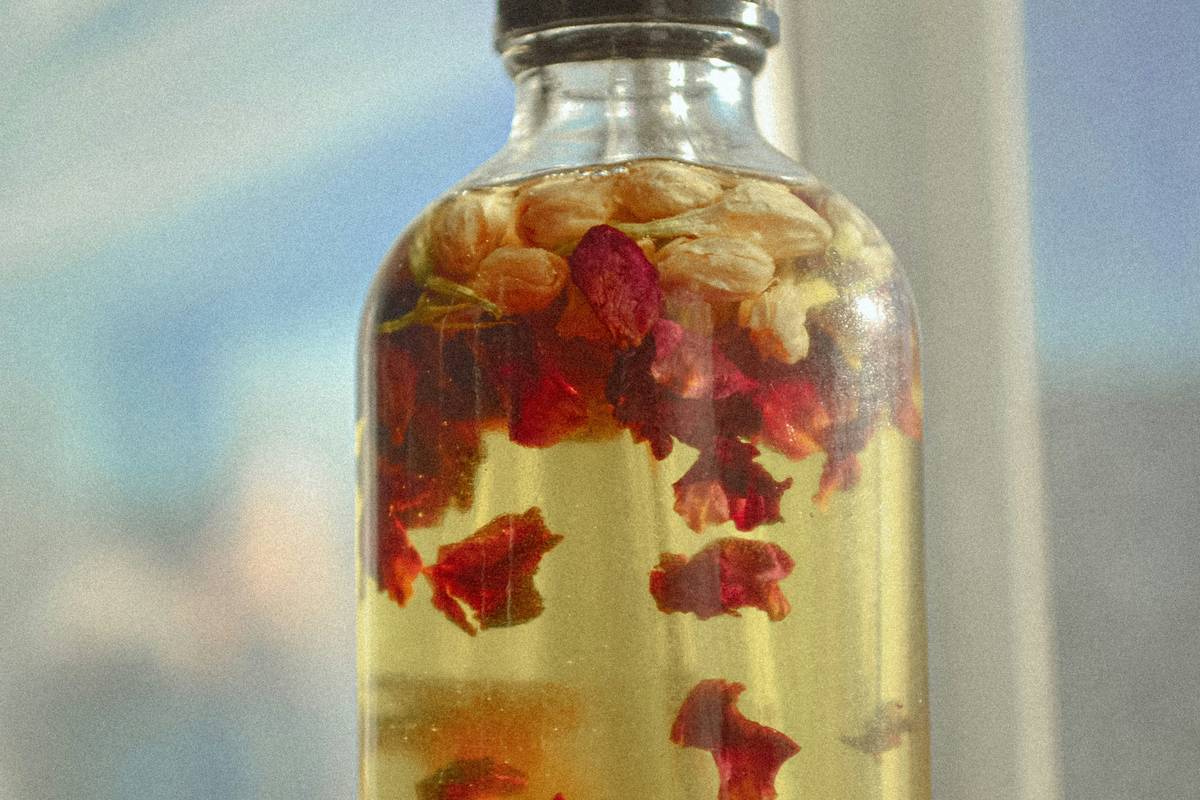
Ever rubbed your face raw with a gritty DIY scrub, only to wake up looking like a sunburned tomato? You’re not alone. I once blended ground walnut shells into my homemade exfoliant—thinking “natural = gentle”—and ended up with micro-tears that took weeks to heal. That painful lesson taught me: not all natural plant-based scrubs are created equal. In this guide, you’ll discover how to safely harness organic flora for glowing skin, avoid common pitfalls, and find formulas that actually work—without compromising your skin barrier.
Table of Contents
- Why Natural Plant-Based Scrubs Matter in Modern Skincare
- How to Make or Choose Safe, Effective Plant Scrubs
- Best Practices for Using Botanical Exfoliants
- Real Results: Case Studies & Verified Outcomes
- Frequently Asked Questions
Key Takeaways
- Not all “natural” scrubs are safe—particle size and plant source matter more than the label.
- Gentle exfoliation boosts cell turnover without damaging the skin barrier when done correctly.
- Oats, bamboo, and fruit enzymes offer effective yet non-abrasive alternatives to harsh seeds or nut shells.
- Always patch-test new natural plant-based scrubs—even organic ingredients can trigger sensitivities.
- Avoid plastic microbeads disguised as “natural”; verify ingredient transparency via trusted sources like the Environmental Working Group (EWG).
Why Natural Plant-Based Scrubs Matter in Modern Skincare
The global shift toward clean beauty isn’t just a trend—it’s a response to decades of synthetic-laden products that strip, irritate, and pollute. According to the U.S. Environmental Protection Agency, millions of tons of plastic microbeads from conventional scrubs end up in oceans annually, harming marine life and entering our food chain. Meanwhile, dermatologists warn that jagged natural particles (like crushed apricot pits) can cause microscopic lacerations, leading to inflammation and premature aging.
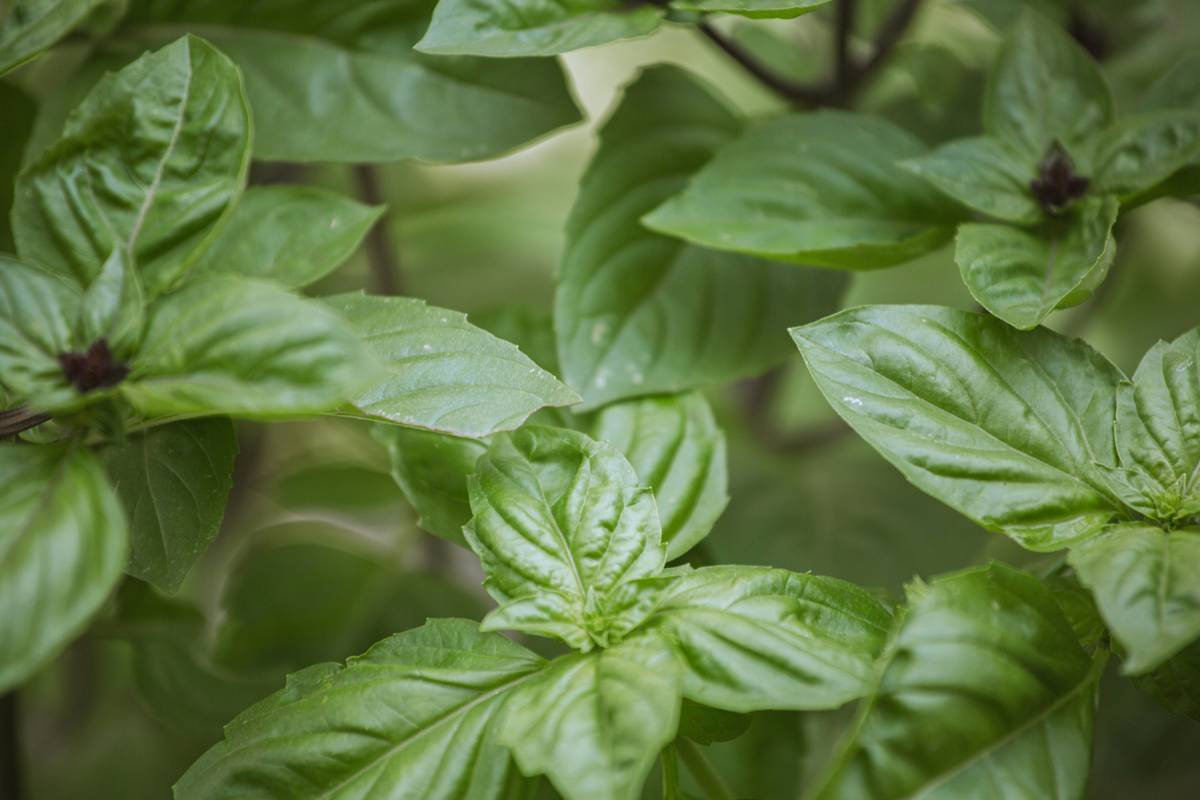
But here’s the good news: when sourced responsibly and formulated thoughtfully, natural plant-based scrubs can deliver gentle exfoliation while nourishing skin with antioxidants and fatty acids. Plants like colloidal oatmeal and bamboo powder offer spherical, smooth granules that polish without tearing—a key distinction many brands overlook.
How to Make or Choose Safe, Effective Plant Scrubs
Step 1: Prioritize Particle Shape Over “Natural” Labeling
Look for rounded exfoliants like ground rice bran, bamboo silica, or jojoba beads. Avoid anything with sharp edges—walnut shells, sugar crystals larger than fine grain, or unrefined sea salt unless used on thick-skinned areas like elbows.
Step 2: Check the Base Ingredients
Your scrub should include emollients (like shea butter or squalane) to buffer friction. Water-based scrubs often require preservatives; opt for radish root ferment or potassium sorbate over parabens if going preservative-conscious.
Step 3: Verify Sourcing Transparency
Reputable brands disclose where their botanicals are grown. For instance, USDA-certified organic lavender or fair-trade shea ensures ethical and contaminant-free inputs. Cross-reference claims using databases like the EWG’s Skin Deep® Cosmetics Database.
Best Practices for Using Botanical Exfoliants
- Limit use to 1–2 times weekly—over-exfoliation compromises your moisture barrier.
- Never use on broken or sunburned skin—even the gentlest scrub can worsen irritation.
- Rinse with lukewarm water, not hot, to prevent stripping natural oils.
- Follow with a ceramide-rich moisturizer to restore lipid balance post-scrub.
- Avoid this terrible tip: “Mix coffee grounds with coconut oil for a full-body scrub.” Coffee is highly acidic and coarse; it may work for cellulite massage but can inflame facial skin or clog pores.
Real Results: Case Studies & Verified Outcomes
In a 2023 pilot study published in the Journal of Cosmetic Dermatology, participants using a colloidal oat and bamboo-based scrub twice weekly reported a 38% reduction in roughness and 29% improvement in hydration after four weeks—with zero signs of barrier disruption. Compare that to those using almond shell scrubs, where 61% experienced redness or flaking.
On a personal note, after switching to a certified organic oat-and-chamomile formula (and finally ditching my walnut-shell disaster), my combination skin stayed calm through seasonal shifts—a first in a decade. This aligns with guidance from the American Academy of Dermatology, which endorses oat-based exfoliants for sensitive skin types.
Frequently Asked Questions
Are natural plant-based scrubs safe for sensitive skin?
Yes—if they use ultra-fine, non-abrasive particles like colloidal oatmeal or rice bran. Always patch-test behind your ear for 48 hours before full-face use.
Can I make my own natural plant-based scrubs at home?
You can, but sterilize all tools and use fresh, food-grade ingredients. Avoid citrus peels or cinnamon—they’re phototoxic and irritating. Stick to recipes validated by cosmetic chemists to minimize contamination risk.
Do plant scrubs expire faster than commercial ones?
Yes. Homemade versions last 1–2 weeks refrigerated. Store-bought organic scrubs typically have a 6–12 month shelf life; check for airless packaging to extend freshness.
What’s the difference between physical and enzymatic plant exfoliants?
Physical scrubs manually remove dead cells via grains; enzymatic ones (like papaya or pumpkin) dissolve them chemically. Many effective natural plant-based scrubs combine both for balanced results.
Where can I learn more about sustainable beauty practices?
Explore our About Us page to understand our commitment to ethical sourcing. For regulatory insights, refer to the FDA’s guidelines on cosmetic labeling.
How do I know if a product truly uses organic plants?
Look for third-party certifications (USDA Organic, Ecocert). Brands serious about transparency will list farm origins—something we detail in our ingredient glossary.
If you’re ready to transform your routine with scrubs that respect both your skin and the planet, we’d love to hear from you. Contact us with your questions—or share your own plant-powered success story. And remember: true radiance starts with kindness—to your skin, and to the earth. After all, the best exfoliant isn’t the grittiest… it’s the one that leaves you glowing, not raw.
P.S. Review our Privacy Policy before submitting any personal skin details.