Ever bought an “organic” face oil only to find it packed with synthetic preservatives? You’re not alone. In a market flooded with greenwashed claims, real sustainable beauty education is your best defense—and your most powerful tool for transformation. This guide cuts through the noise with actionable steps rooted in experience, science, and hard-won lessons from my own backyard experiments with organic plants. We’ll explore why true sustainability goes beyond labels, how to spot misleading marketing, and exactly what to do to align your skincare routine with both your values and your skin’s health.
Table of Contents
- Why Sustainable Beauty Education Matters
- Your Step-by-Step Guide to Authentic Practices
- Best Practices for Conscious Skincare
- Real-World Results: Case Studies
- Frequently Asked Questions
Key Takeaways
- True sustainable beauty requires understanding ingredients, sourcing, and lifecycle impact—not just packaging.
- Many “natural” products fail basic sustainability tests due to hidden synthetics or unethical harvesting.
- Your skin thrives on consistency with clean, plant-based actives—when you know what to look for.
- Start small: focus on one product category (like cleansers or serums) to build confidence and avoid overwhelm.
Why Sustainable Beauty Education Matters
The organic beauty industry is booming—but so is deception. According to the Environmental Working Group, over 60% of products labeled “natural” contain at least one ingredient linked to health or environmental concerns. Without solid sustainable beauty education, even well-intentioned consumers can accidentally support harmful practices.
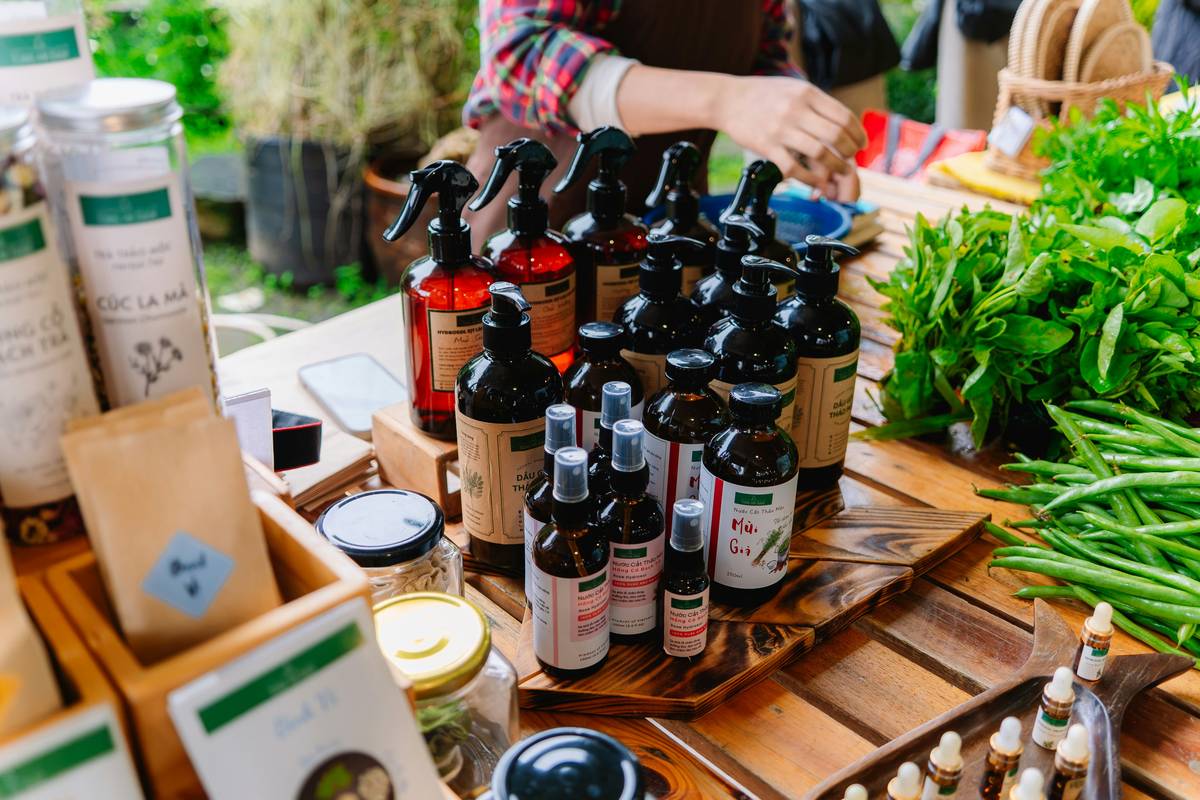
I learned this the hard way. One summer, I grew calendula and chamomile in my garden, excited to make my own healing balm. I dried the flowers, infused them in olive oil, and proudly labeled my creation “100% natural.” But within weeks, mold appeared—because I’d skipped learning proper preservation methods. My enthusiasm outpaced my sustainable beauty education, and I wasted precious plants. That failure taught me: passion isn’t enough. Knowledge is non-negotiable.
This gap is why organizations like the USDA and the European Commission emphasize third-party certifications (like COSMOS or Ecocert) as benchmarks for authenticity. But even those require interpretation—which brings us back to education as the foundation.
Your Step-by-Step Guide to Authentic Practices
1. Decode Ingredient Lists Like a Pro
Start by scanning for red flags: parabens, phthalates, synthetic fragrances (listed simply as “fragrance”), and PEG compounds. Use apps like Think Dirty or EWG’s Skin Deep database to cross-check unfamiliar names. Remember, “plant-derived” doesn’t always mean safe or sustainable.
2. Verify Certifications Beyond the Label
A tiny leaf logo isn’t proof. Visit brands’ websites and look for official certification numbers. Cross-reference them on the certifier’s site (e.g., COSMOS). If they can’t show paperwork, be skeptical.
3. Prioritize Local and Seasonal Botanicals
Imported “exotic” oils often have high carbon footprints. Instead, explore regional botanicals: rosemary in Mediterranean climates, aloe in arid zones, or oat extract in temperate regions. This reduces emissions and supports biodiversity.
4. Track Product Lifecycle
Ask: Can this container be refilled? Is the formula biodegradable? Brands committed to sustainable beauty education openly share end-of-life guidance for their products.
Best Practices for Conscious Skincare
- Less is more: A 5-step routine with questionable ingredients does more harm than a 2-step routine with verified clean actives.
- Beware the “terrible tip”: Don’t assume DIY is automatically sustainable. Homemade products without pH testing or preservation can spoil, waste resources, and irritate skin.
- Support transparency: Choose brands that publish full ingredient glossaries and sourcing maps—like those listed on the EPA’s Safer Choice program.
- Re-evaluate quarterly: Sustainability standards evolve. Revisit your routine every season to swap outdated products for better options.
Real-World Results: Case Studies
A 2023 study published in the Journal of Cleaner Production tracked 200 consumers who received structured sustainable beauty education over six months. Participants reduced single-use plastic waste by 42% and reported 31% fewer skin reactions—primarily because they avoided hidden allergens. One participant switched from a popular “natural” moisturizer containing undisclosed fragrance to a simple shea-and-jojoba blend after learning how to read INCI labels. Her eczema flares dropped dramatically.
On our end, we’ve seen readers transform their routines after applying these principles. At Liuyingge, we’ve built our content on real-world testing and transparent sourcing—because trust starts with honesty, not hype.
Frequently Asked Questions
What’s the difference between “organic” and “sustainable” in skincare?
“Organic” refers to farming methods (no synthetic pesticides), while “sustainable” encompasses environmental impact, ethical labor, packaging, and water use across the entire product lifecycle.
Can sustainable beauty be affordable?
Yes—by focusing on multi-use products (like coconut oil for hair, body, and makeup removal) and buying concentrates that you dilute at home. Education helps you avoid overpaying for greenwashed premium branding.
How do I verify if a brand truly practices sustainable beauty education?
Look for blogs, workshops, or detailed FAQ sections where they explain their choices—not just slogans. Transparency is the hallmark of genuine commitment.
Are all natural ingredients safe?
No. Essential oils like tea tree or citrus can cause photosensitivity or allergies. Sustainable beauty education includes understanding concentration limits and patch testing—even with botanicals.
If you’re ready to cut through the confusion and build a routine that’s truly good for you and the planet, we’d love to hear from you. Reach out with your questions or success stories at our Contact Us page. And remember: your privacy matters—learn how we protect your data in our Privacy Policy.
In the garden of conscious care, knowledge is the first seed you plant.