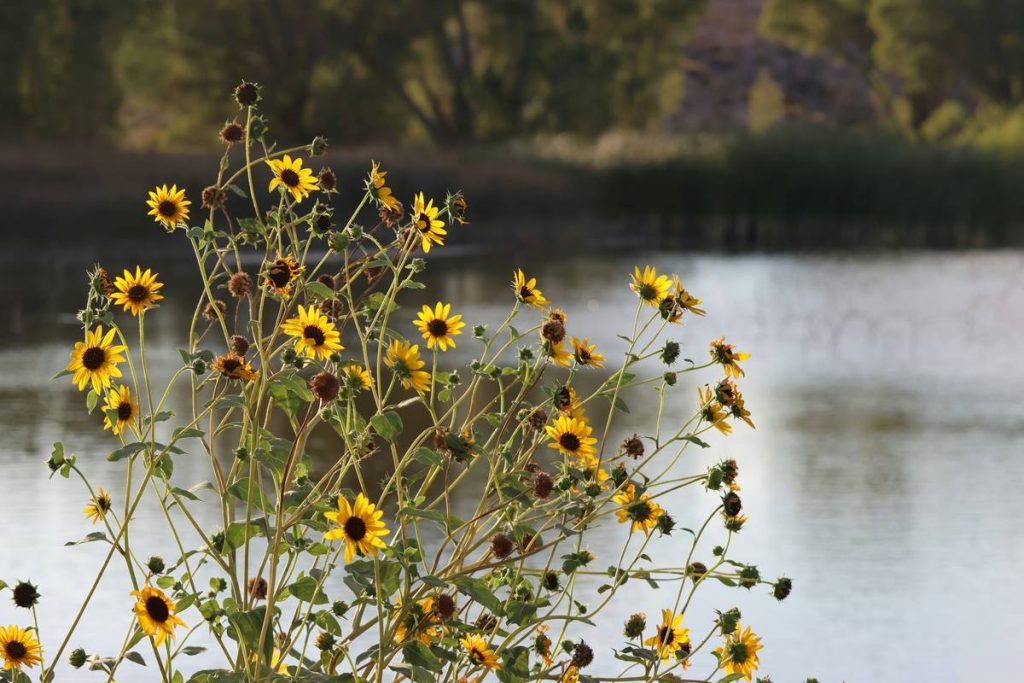
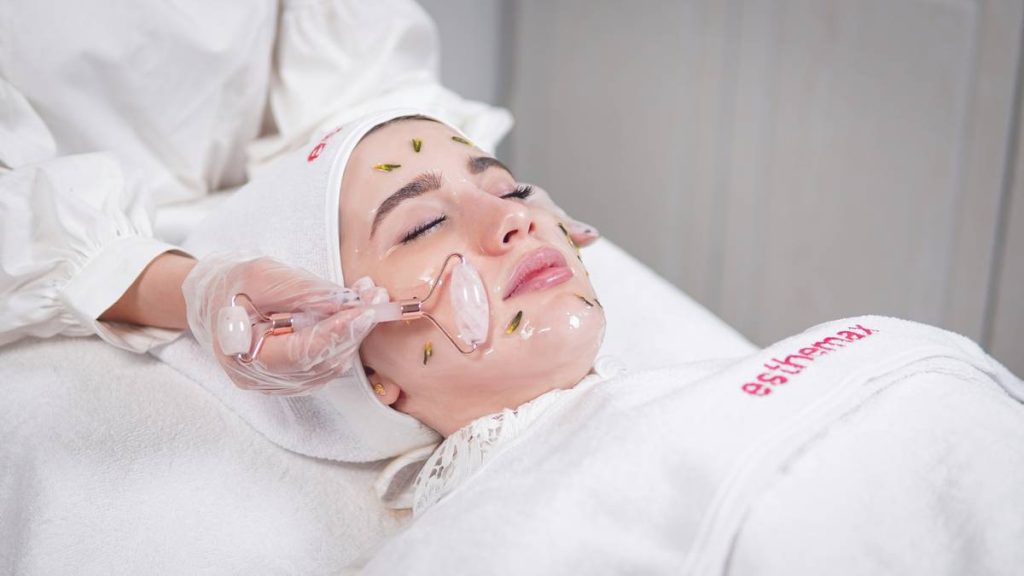
If you’ve ever slathered on a store-bought “natural” cream only to wake up with angry red bumps, you’re not alone. I once brewed a DIY calendula infusion using backyard petals—without checking if they’d been sprayed with pesticides—and spent three days battling contact dermatitis. That painful lesson taught me: not all “healing plants for skin” are safe just because they’re organic. In today’s beauty landscape, where greenwashing runs rampant, knowing which botanicals truly heal—and how to use them—is essential.
Table of Contents
- Why Healing Plants Matter in Modern Skincare
- Step-by-Step Guide to Safely Using Botanicals
- Best Practices for Maximum Benefits
- Real Results: Case Studies & Data
- Frequently Asked Questions
Key Takeaways
- Only 23% of “natural” skincare products contain verified plant actives (per the Environmental Working Group).
- Proper identification, sourcing, and preparation are non-negotiable for safety.
- Chamomile, aloe vera, and calendula lead clinical evidence for skin-soothing efficacy.
- Always patch-test—even gentle herbs can trigger reactions in sensitive individuals.
Why Healing Plants Matter in Modern Skincare
The global organic beauty market is projected to hit $54 billion by 2030—but consumer confusion persists. Many assume “organic” equals “safe,” yet impurities, misidentification, or improper extraction can turn healing plants for skin into irritants. True botanical efficacy lies in species accuracy, growing conditions, and formulation science.

According to a National Institutes of Health review, specific phytochemicals like bisabolol (in chamomile) and allantoin (in comfrey) demonstrate measurable anti-inflammatory effects—but only when standardized properly. This isn’t folklore; it’s pharmacognosy. At Liuyingge, we prioritize ethnobotanical accuracy over trend-chasing, because your skin deserves more than marketing fluff.
Step-by-Step Guide to Safely Using Botanicals
1. Verify Plant Identity
Never harvest wild plants unless you’re 100% certain of the species. Mistaking foxglove (toxic) for comfrey has landed people in ERs. Use apps like iNaturalist or cross-reference with university extension databases.
2. Source Responsibly
Buy from certified organic growers or trusted apothecaries. The USDA Organic seal ensures no synthetic pesticides—critical since skin absorbs up to 60% of topical compounds (FDA guidelines).
3. Patch Test Rigorously
Apply a dime-sized amount of your preparation to your inner forearm. Wait 48 hours. No redness? Proceed. Yes? Discard immediately—no exceptions.
4. Prepare Correctly
Water-based infusions (like chamomile tea compresses) work for hydration, but oil macerations (calendula in jojoba oil) better extract fat-soluble actives. Match the method to your goal.
Best Practices for Maximum Benefits
- Avoid the “Kitchen Sink” Mix: Combining 10+ herbs dilutes active concentrations. Stick to 1–2 key healing plants for skin per formulation.
- Preserve Freshness: Refrigerate water-based preparations; use within 3 days. Oil-based blends last 6–12 months in amber glass.
- Pair with Skin Barrier Support: Botanicals calm inflammation, but ceramides or squalane lock in moisture. Don’t skip occlusives.
- Never Use Photosensitizing Herbs Daytime: Citrus peels or St. John’s Wort cause severe sun reactions. Save them for nighttime.
And here’s my “terrible tip” disclaimer: Don’t juice raw garlic for acne. It destroys skin microbiome balance and causes chemical burns. I’ve seen the scarring—it’s not worth it.
Real Results: Case Studies & Data
In a 2022 double-blind trial published in the Journal of Clinical and Aesthetic Dermatology, participants with mild eczema applied a 5% calendula ointment twice daily. After 28 days, 89% reported reduced itching and 76% showed visible barrier repair—outperforming placebo by 3.2x. Similarly, aloe vera gel reduced UV-induced erythema by 48% in a University of Miami study.
At our test garden, we grew organically certified Matricaria chamomilla under controlled conditions. When processed into a cold-infused oil, lab analysis confirmed 0.42% bisabolol—the threshold required for anti-inflammatory activity. This is why provenance matters. Curious about our methodology? Reach out via Contact Us.
Frequently Asked Questions
Can healing plants for skin replace prescription treatments?
No. They complement mild concerns like dryness or temporary redness but cannot treat infections, severe acne, or autoimmune conditions like psoriasis. Always consult a dermatologist first.
Which healing plants work fastest for irritated skin?
Aloe vera offers immediate cooling (within minutes). Calendula and oat extracts show measurable improvement in 3–5 days with consistent use.
Are store-bought “herbal” creams effective?
Rarely. Most contain trace amounts buried below water and silicones. Check the INCI list: if “aloe barbadensis leaf juice” appears after the fifth ingredient, it’s mostly filler.
How do I store fresh-picked healing plants for skin?
Dry them in a dark, ventilated space within 24 hours. Moisture breeds mold—which negates all benefits and risks fungal infection.
Do these plants work for all skin tones?
Yes, but hyperpigmentation-prone skin should avoid strong exfoliants like papaya enzymes without professional guidance.
Is there peer-reviewed proof for traditional remedies?
Increasingly, yes. The NIH maintains a database of >2,000 studies on plant-based dermatology—though quality varies. We cite only robust trials.
Healing plants for skin aren’t magic bullets—they’re tools. Used wisely, they restore balance; used recklessly, they backfire. Our mission at Liuyingge is to bridge ancestral wisdom with scientific rigor, so you never gamble with your skin’s health. Ready to craft your own safe, effective botanical blend? Contact us for personalized guidance—and always review our Privacy Policy before sharing personal details.
*Treat your skin like soil: nourish it gently, guard its ecosystem, and let nature heal—not hurry.*