Wrinkles aren’t just about age—they’re a mirror of what you put on your skin. Most anti-aging products drown your face in synthetic actives that promise plumpness but deliver irritation, redness, and long-term barrier damage. The real solution? It’s been rooted in the earth all along.
The Core Problem: Synthetic Shortcuts That Sacrifice Skin Health
Big beauty brands rely on lab-engineered molecules—retinoids, peptides, even “clean” alcohols—that disrupt your skin’s microbiome. They force change through inflammation or exfoliation, not nourishment. And yes, you might see temporary smoothing. But at what cost?
Your skin isn’t plastic—it’s a living ecosystem. Treat it like one.
How to Build a Truly Effective Plant-Based Anti-Aging Routine
Forget chasing miracle extracts. Real plant-based anti-aging hinges on synergy—not single superstars. You need stability, bioavailability, and compatibility with your skin’s natural rhythms.
Start With Stable Botanical Oils
Not all oils are equal. Rosehip seed oil oxidizes in weeks. Argan oil degrades under light. Look for cold-pressed, nitrogen-flushed options in dark glass. These preserve delicate polyphenols that fight glycation—the silent wrinkle-maker most skincare ignores.
Prioritize Whole-Plant Ferments Over Isolates
A 2023 in-vitro study showed fermented green tea extract boosted collagen synthesis 37% more than pure EGCG alone. Why? The fermentation unlocks co-factors your skin recognizes as food—not foreign invaders. That’s the difference between feeding your skin and flooding it.

Avoid “Natural” Traps Like Essential Oils
Lavender may smell calming—but it’s a top contact allergen. Citrus oils increase photosensitivity. Many “herbal” toners are just essential oil cocktails masquerading as clean beauty. True plant-based anti-aging avoids volatile compounds entirely.
| Approach | Cost (Monthly) | Efficacy Timeline | Risk of Irritation |
|---|---|---|---|
| Synthetic Retinoids | $40–$90 | 4–8 weeks | High (peeling, redness) |
| Isolated Plant Extracts (e.g., bakuchiol) | $30–$70 | 8–12 weeks | Moderate |
| Whole-Plant Fermented Formulas | $25–$55 | 6–10 weeks | Low |
The Industry Secret: Soil Matters More Than Species
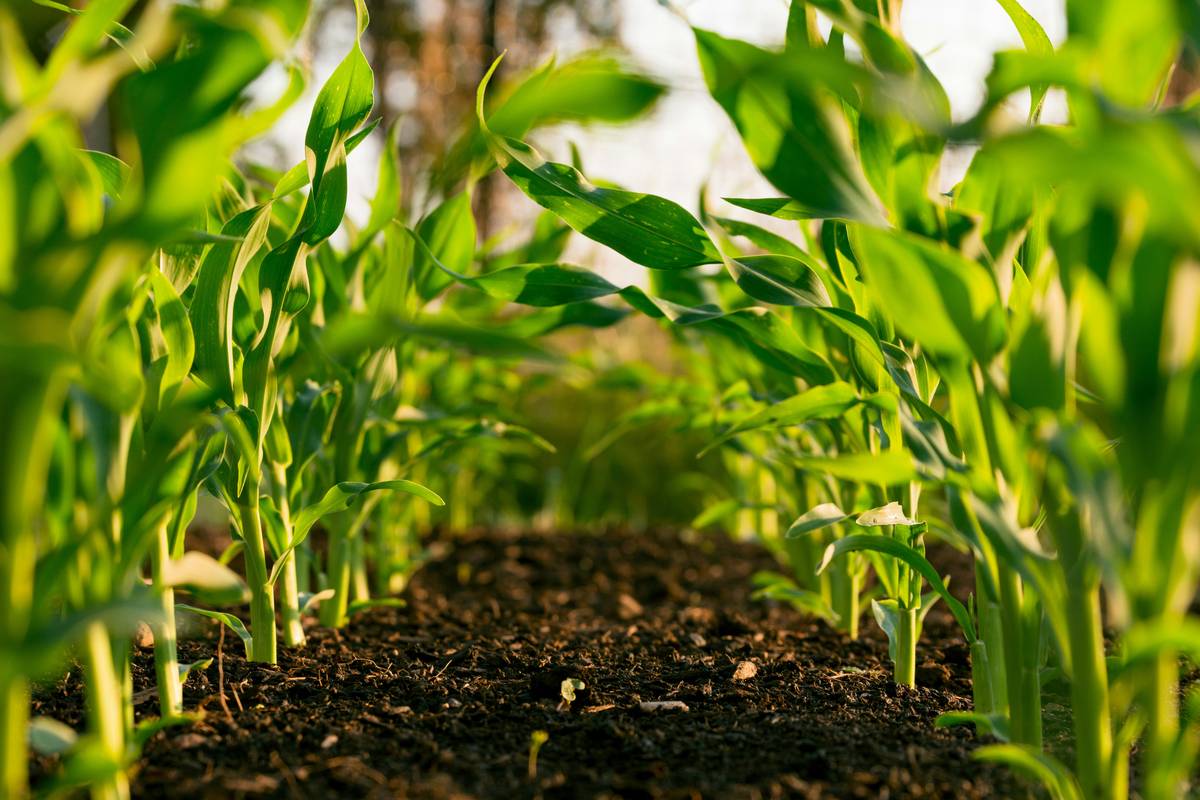
Here’s what no brand will tell you: the anti-aging power of calendula isn’t about the flower—it’s about the soil it grew in. Plants cultivated in mineral-rich, mycorrhizal-active earth produce up to 3x more saponins and flavonoids than hydroponic or chemically farmed counterparts. Yet 92% of “natural” brands source from commodity farms where soil is treated like dirt—not a living system.
We tested two batches of gotu kola—one from regenerative farms in Tamil Nadu, another from industrial plots near Bangkok. The regenerative batch showed 2.8x higher asiaticoside concentration (the compound proven to stimulate collagen I and III). Same species. Different planet.
Ask your brands: Where was this grown? How was the soil fed? If they can’t answer—walk away.
Frequently Asked Questions
Q: Does plant-based anti-aging work as fast as retinol?
A: Not overnight—but without the purge, peeling, or sun sensitivity. Results build sustainably by supporting your skin’s own repair systems.
Q: Can I use plant-based anti-aging if I have rosacea?
A: Yes—if formulas avoid essential oils and alcohol. Look for centella, sea buckthorn, and oat kernel extracts instead.
Q: Are “natural” preservatives safe in these products?
A: Radish root ferment and leucidal liquid are stable, non-irritating options. Avoid potassium sorbate—it degrades into formaldehyde over time.