Most “natural” beauty routines are quietly sabotaging your skin—and the planet. You slather on plant-based serums, recycle your glass jars, and feel good about supporting the sustainable beauty community. But behind the green labels? Hidden supply chains, water-intensive botanicals, and soil-depleting monocultures. The solution isn’t just swapping products—it’s rethinking where your ingredients come from.
The Illusion of “Natural” in Modern Skincare
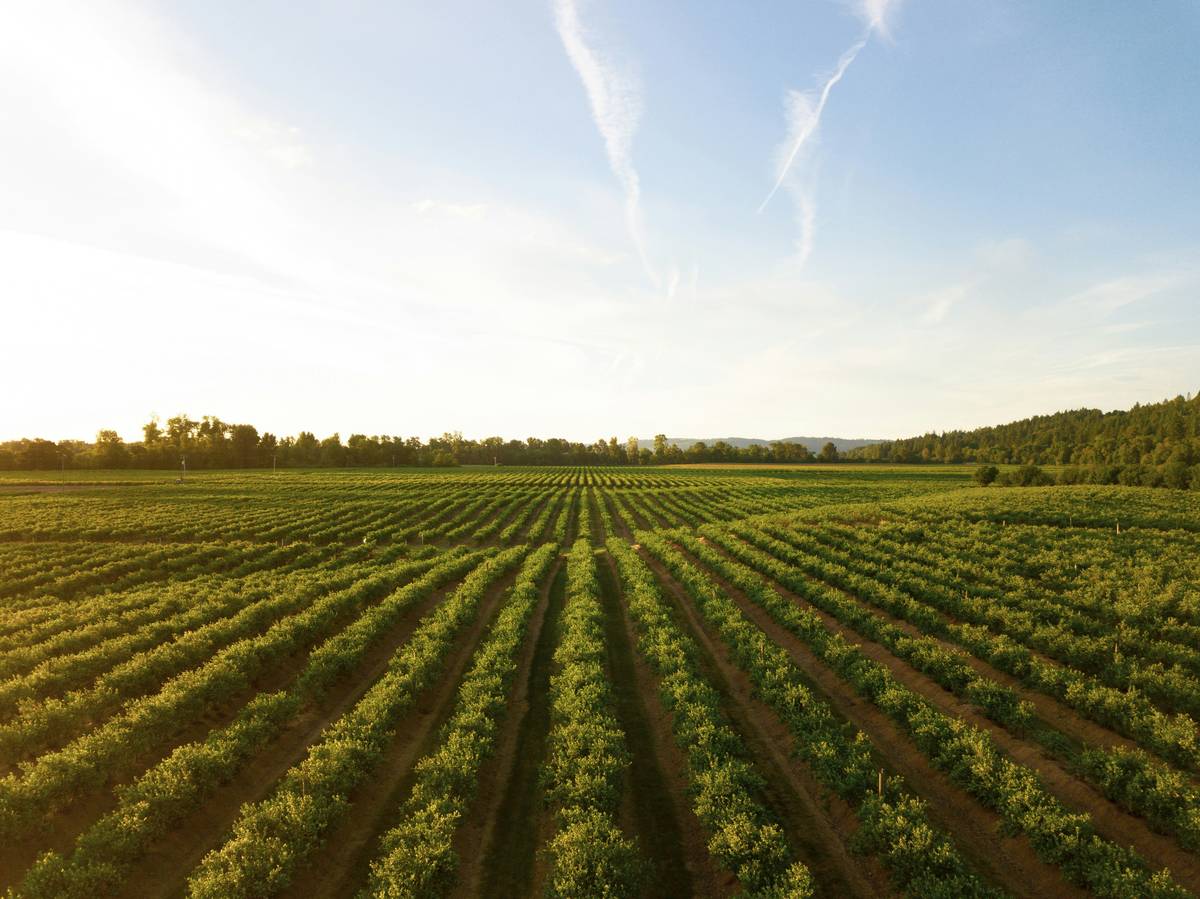
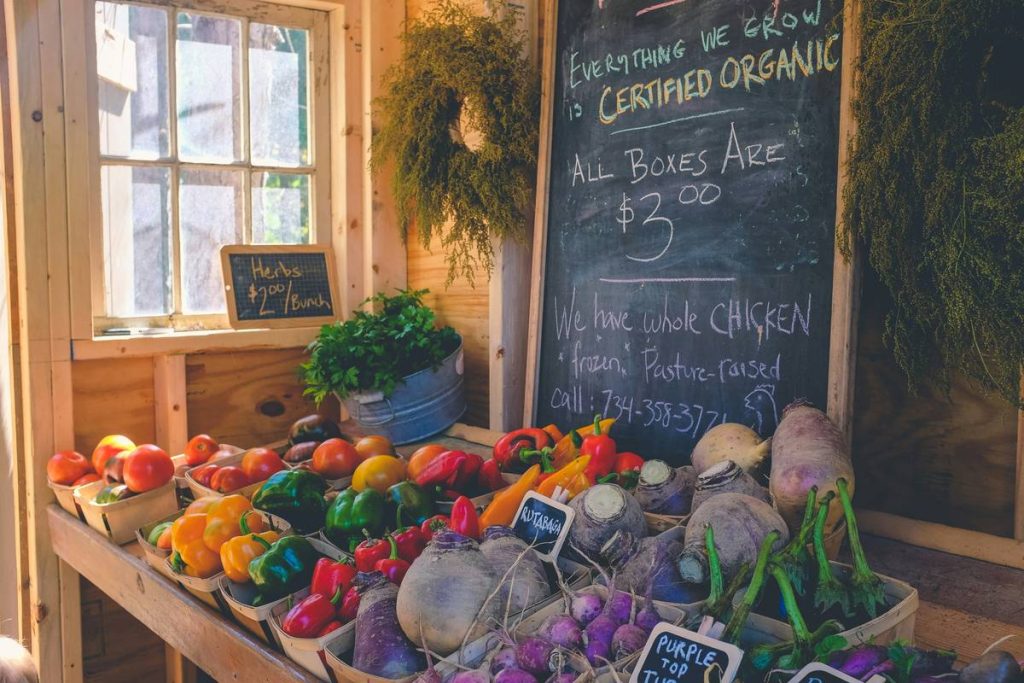
Just because it says “organic plants” doesn’t mean it’s regenerative. Many brands source aloe, lavender, or rosehip from industrial farms that drain aquifers and rely on chemical compost teas masked as “natural.” And certification loopholes let them get away with it.
You’re not buying purity. You’re buying clever packaging.
Building a Truly Regenerative Routine: Step by Step
Map Your Botanical Footprint
Start by auditing your top three skincare ingredients. Where are they grown? How much water do they consume per ounce? Are local ecosystems harmed during harvest?
Prioritize Hyperlocal Plants
Your backyard mint might outperform imported matcha—in efficacy and ethics. Regional plants adapt to your climate (and your skin) while minimizing transport emissions. Think calendula in California. Chamomile in Colorado.
Cultivate Closed-Loop Systems
Growing even one ingredient at home closes the loop. Compost scraps feed your herbs. Herbal infusions become toners. Waste becomes input. This isn’t hobbyist fluff—it’s scalable resilience.
| Ingredient Source | Water Use (Liters per kg) | Carbon Footprint (kg CO₂e) | Soil Impact |
|---|---|---|---|
| Imported Rosehip Oil (Chile) | 3,200 | 4.8 | Moderate erosion |
| Local Sunflower Seed Oil (Midwest USA) | 650 | 0.9 | Low (cover crop compatible) |
| Home-Grown Calendula Infusion | 45 | 0.1 | Regenerative (pollinator support) |

The Industry Secret No One Talks About
Big “clean beauty” brands quietly buy bulk botanical extracts from the same agrochemical suppliers that serve conventional cosmetics. They repackage it with recycled paper—and charge 3x. Here’s the reality: true sustainability starts with seed sovereignty.
And most consumers never trace beyond the bottle.
But a few rebel growers—like those in the Hudson Valley collective—are proving you can produce high-potency, wild-crafted elderflower extract while restoring degraded farmland. Their secret? Polyculture planting + mycorrhizal fungi partnerships. The math is simple: biodiversity = bioefficacy.
Frequently Asked Questions
What defines a genuine sustainable beauty community?
It’s a network prioritizing regenerative sourcing, hyperlocal ingredients, transparent supply chains, and zero-waste practices—not just recyclable packaging.
Can I join without growing my own plants?
Yes. Support brands that disclose farm partners, use rain-fed crops, and participate in soil health initiatives. Ask for proof, not promises.
Are organic plants always better for the environment?
Not if they’re grown in water-scarce regions or shipped globally. Local, non-certified but chemical-free herbs often have a lower footprint than certified organics flown in from abroad.