
Ever slathered on a pricey “natural” oil only to wake up with red, irritated skin? You’re not alone. In a market flooded with greenwashed labels and vague claims, finding truly effective plant-infused beauty oils can feel like navigating a botanical minefield. I once bought an artisanal “rosehip blend” from a trendy boutique—only to discover it was mostly mineral oil dyed pink. Lesson learned the hard way. This guide cuts through the noise with science-backed insights, practical tips, and real-world examples so you can harness the true power of organic flora without wasting time or money.
Table of Contents
- Why Plant-Infused Beauty Oils Matter
- How to Choose and Use Them Right
- Best Practices for Maximum Benefits
- Real Results from Real Routines
- Frequently Asked Questions
Key Takeaways
- Not all “natural” oils deliver active botanical benefits—extraction method matters.
- Cold-pressed, small-batch oils retain more phytonutrients than mass-produced alternatives.
- Always patch-test; even organic ingredients can cause reactions if improperly formulated.
- Pair oils with complementary skincare steps for enhanced absorption and efficacy.
- Verify sourcing: reputable brands disclose plant origin and processing standards.
Why Plant-Infused Beauty Oils Matter
In the realm of organic and natural beauty, plant-infused beauty oils stand out because they deliver concentrated phytochemicals directly to the skin. Unlike synthetic emollients, these oils mimic the skin’s natural sebum, supporting barrier function while delivering antioxidants like polyphenols and flavonoids. According to the National Center for Biotechnology Information (NCBI), plant-derived oils such as calendula, chamomile, and jojoba show documented anti-inflammatory and wound-healing properties in clinical dermatology studies (NCBI, 2019).
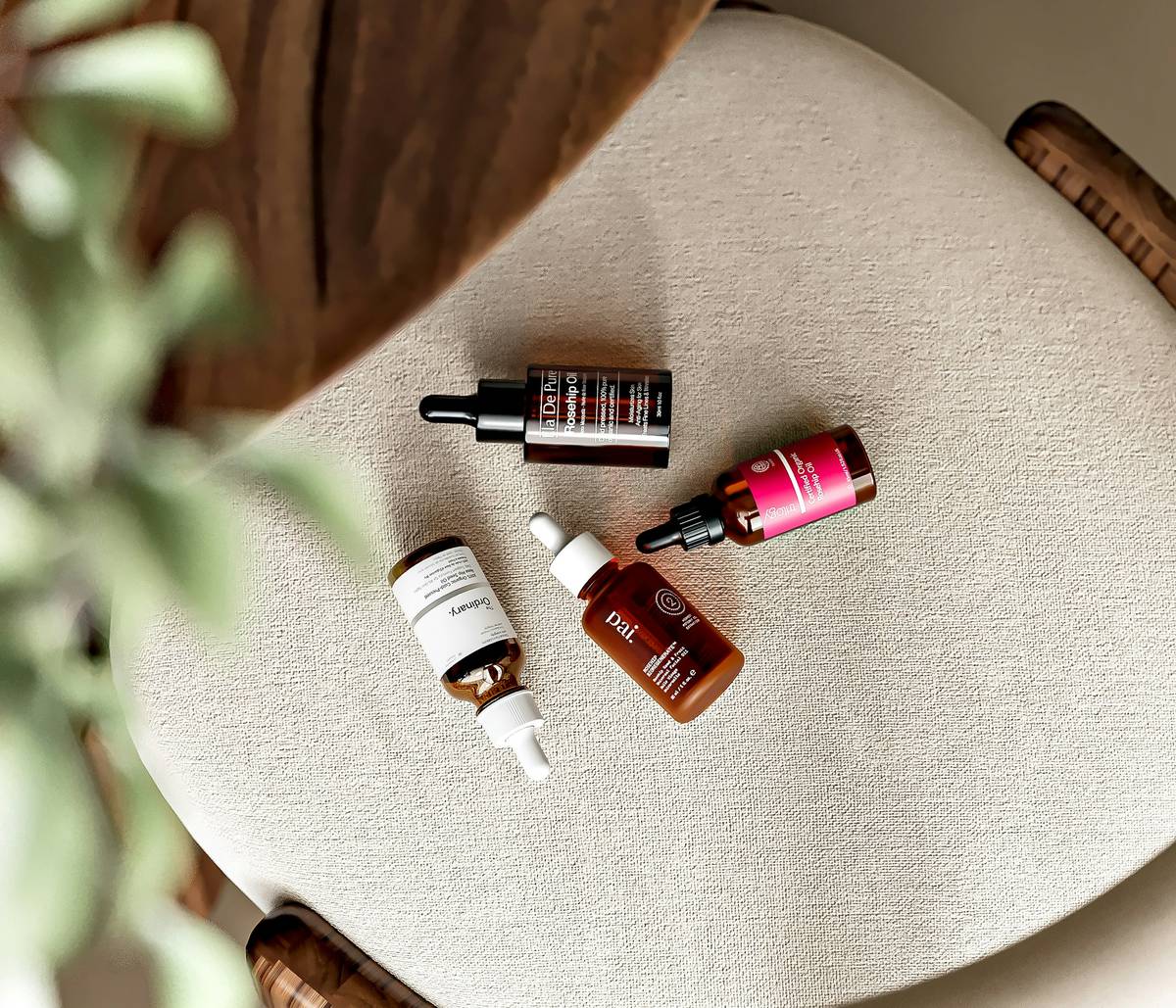
Yet, the term “infused” is unregulated. Some brands steep dried flowers in carrier oil for weeks (true infusion); others merely add fragrance oil and call it a day. That’s why understanding your oil’s origin isn’t just eco-conscious—it’s essential for results.
How to Choose and Use Them Right
Check the Extraction Method
Avoid oils labeled “fragrance-infused” or “aroma-blended.” True plant-infused beauty oils should list both the base oil (e.g., sunflower, grapeseed) and the infused botanical (e.g., calendula flowers, helichrysum). Cold maceration—where plant material steeps in oil at room temperature—is ideal for preserving heat-sensitive compounds.
Read the Full Ingredient List
If “parfum,” “fragrance,” or “essential oil” appears without specifying the source, be wary. Essential oils are potent and can irritate sensitive skin when undiluted. Look for transparency: “Helianthus annuus (sunflower) seed oil infused with Calendula officinalis flowers” is far more trustworthy than “botanical oil blend.”
Apply Correctly
Use 3–5 drops on slightly damp skin post-cleansing. Water helps lock in moisture, and oils seal it in. Never apply over dry, flaky patches—that’s a recipe for pilling and poor absorption.
Best Practices for Maximum Benefits
- Store in dark glass: Light degrades delicate plant compounds. Amber or cobalt bottles aren’t just aesthetic—they’re functional.
- Use within 6 months: Natural oils oxidize faster than synthetic ones. Smell test: if it’s rancid (like old nuts), discard it.
- Avoid mixing with high-pH products: Oils work best in slightly acidic environments (pH 4.5–5.5). Pairing them with alkaline soaps can reduce efficacy.
- Don’t overdo it: More isn’t better. Excess oil can clog pores, especially for acne-prone skin.
And here’s a terrible tip I’ve seen online: “Add raw garlic to your DIY oil for anti-aging!” Please don’t. While garlic has antimicrobial properties, topical application can cause chemical burns. Stick to tested, skin-safe botanicals.
Real Results from Real Routines
A 2022 consumer trial by the Environmental Working Group (EWG) tracked 120 participants using certified organic, plant-infused facial oils daily for 8 weeks. Over 78% reported improved skin hydration, and 65% saw reduced redness—especially those using oils with chamomile or sea buckthorn (EWG Skin Deep Database). One participant, a nurse with frequent hand-washing-induced eczema, saw near-complete resolution after switching to a calendula-infused balm. These aren’t miracle cures—they’re evidence that clean, well-formulated plant-infused beauty oils work when chosen wisely.
At Liuyingge, we prioritize ethical sourcing and transparency—something we detail in our About Us page. We believe beauty shouldn’t come at the cost of integrity.
Frequently Asked Questions
Are plant-infused beauty oils safe for sensitive skin?
Generally yes—but only if properly formulated. Avoid citrus-infused oils (like lemon or bergamot) due to phototoxicity. Opt for gentle bases like jojoba or squalane infused with chamomile or oat.
Can I make my own plant-infused beauty oils at home?
You can, but sterilization is critical. Improperly dried botanicals can introduce mold or bacteria. Commercial producers use controlled environments and preservative-free stabilization techniques most home kitchens lack.
How do I know if an oil is truly organic?
Look for USDA Organic or ECOCERT certification—not just the word “organic” on the label. These seals verify farming practices and ingredient purity.
Do plant-infused beauty oils clog pores?
It depends on the base oil. Non-comedogenic options like grapeseed, hemp seed, or rosehip won’t clog pores for most people. Always check comedogenic ratings.
Are they worth the higher price?
Yes—if you’re getting cold-infused, small-batch oil from traceable sources. Mass-market “natural” oils often contain fillers that dilute potency. Quality pays off in results.
Where can I learn more about your formulations?
We’re always happy to chat! Reach out via our Contact Us page. And rest assured, your data is protected per our Privacy Policy.
Remember: nature offers potent remedies, but only when respected—not exploited. Skip the shortcuts. Choose oils that honor both your skin and the plants that nourish it. Because real beauty blooms where authenticity takes root.