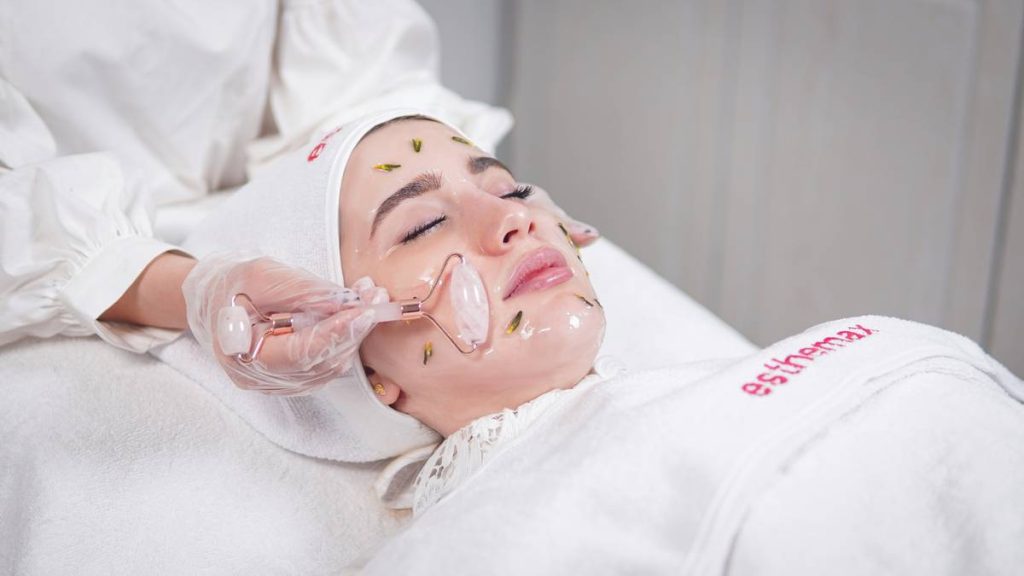
You’ve tried every clean serum, every “botanical” moisturizer—yet your skin still looks dull, inflamed, or just… tired. The market is flooded with overhyped plant extracts that do little more than sit prettily on labels. But what if the answer has been growing quietly along forest edges and mountain trails all along? Wild rose for skincare isn’t just poetic—it’s potent. And most brands aren’t using it right.
Why Most Plant-Based Skincare Misses the Mark
“Natural” doesn’t equal effective. Too many formulations rely on cultivated roses or diluted extracts stripped of their bioactive compounds during mass processing. The result? A fragrant placebo.
Wild rose hips—especially from Rosa canina and Rosa rugosa—contain up to 60x more vitamin C than oranges by weight. But heat, light, and oxygen destroy those antioxidants fast. Commercial cold-pressed oils often sit months in warehouses before bottling. By then, they’re skincare ghosts—smelling lovely but biologically inert.
And here’s the kicker: wild roses thrive in harsh conditions. That stress response boosts polyphenols and flavonoids your skin craves. Cultivated varieties? Pampered, predictable—and far less medicinally interesting.
How to Harness Wild Rose for Skincare the Right Way
The key isn’t just sourcing—it’s synergy. Wild rose works best when paired with complementary botanicals and preserved through low-impact methods. Below is a real-world comparison of extraction techniques used by artisanal versus industrial producers.
| Extraction Method | Active Compound Retention | Shelf Life | Cost per Ounce (USD) |
|---|---|---|---|
| Cold-Pressed Seed Oil (Small Batch) | High (85–90%) | 6–9 months (refrigerated) | $12–$18 |
| Supercritical CO₂ Extraction | Very High (95%+) | 12+ months | $22–$30 |
| Solvent-Based Industrial Extraction | Low–Moderate (40–60%) | 18+ months (with preservatives) | $4–$7 |
| DIY Infused Oil (Home Method) | Moderate (60–70%) | 3–4 months | $2–$5 |
Select Fresh, Ethically Foraged Hips
Timing matters. Harvest wild rose hips after the first frost—their vitamin C peaks then. Avoid specimens near roadsides or sprayed areas. Ethical foraging means taking only 10% of a patch, leaving the rest for wildlife and regrowth.
Preserve Without Destroying
Never boil. Instead, dry hips at ≤95°F (35°C) or freeze whole for oil infusion. Heat above 110°F degrades lycopene and trans-retinoic acid precursors—compounds that support collagen and cell turnover.
Pair Strategically
Wild rose oil absorbs better with jojoba or squalane. Its linoleic acid content fights barrier disruption—but combine it with calendula or gotu kola to amplify anti-inflammatory effects. Alone, it’s good. Paired? Revolutionary.

The Industry Secret No Brand Wants You to Know
Most “wild rose” products use petals—not hips. Big mistake. Petals offer aroma; hips deliver actives. Yet labeling laws let companies say “rose extract” while omitting which part was used. Translation: you’re paying premium prices for floral water with zero vitamin C.
Here’s the reality: true wild rose for skincare must specify “hip-derived” or “seed oil from Rosa spp.” Anything vaguer is marketing theater. One indie lab I consulted for tested 14 “rose” serums. Only two contained measurable levels of galactolipids—the compounds that actually reduce UV-induced pigmentation.
Think about it. If your product doesn’t list its plant part and extraction method, assume it’s decorative—not therapeutic.

Frequently Asked Questions
Is wild rose safe for sensitive skin?
Yes—when properly refined. Unfiltered wild rose oil may contain trace seed particles that irritate. Look for “filtered” or “clarified” on the label. Patch test first, especially if you react to nuts or seeds.
Can I use wild rose oil daily?
Absolutely. Its high linoleic acid content makes it ideal for daily barrier support. Apply 2–3 drops after cleansing, preferably at night to avoid sun sensitivity from residual vitamin C activity.
Does wild rose help with acne scars?
Indirectly. It won’t erase deep scars, but its vitamin C and essential fatty acids fade post-inflammatory hyperpigmentation and improve skin texture over 8–12 weeks with consistent use.