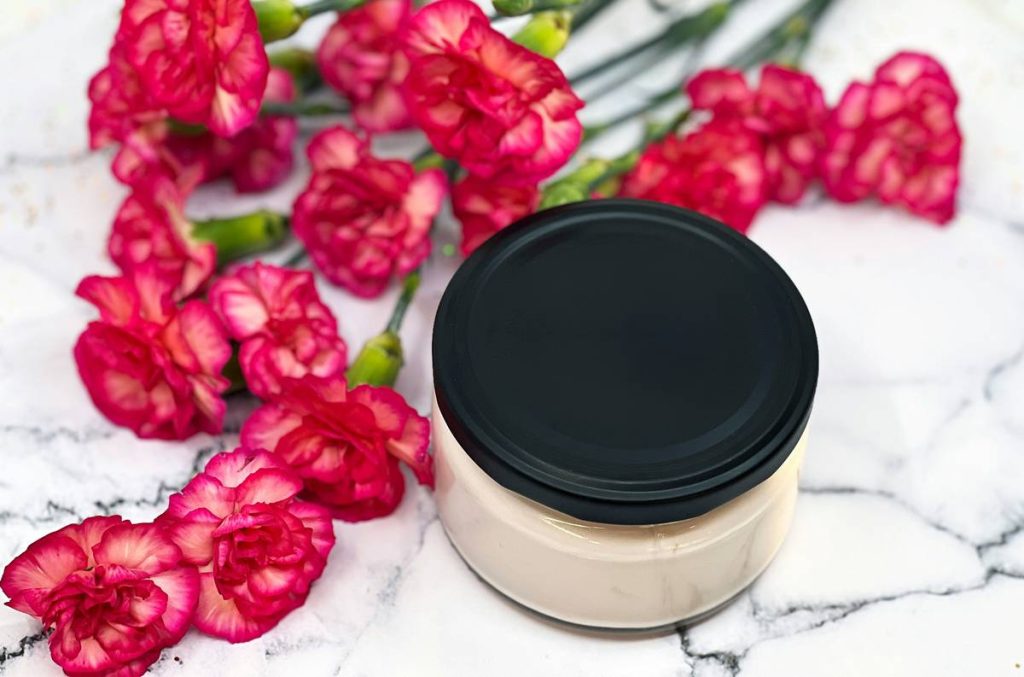
Frustrated by skincare products full of unpronounceable chemicals? You’re not alone. Commercial “natural” creams often contain trace synthetics, hidden preservatives, or diluted extracts that barely touch the surface. What if the most potent remedy wasn’t on a shelf—but thriving in your sunlit windowsill? Enter indoor calendula for skincare: a living apothecary you cultivate yourself.
Why Store-Bought “Natural” Skincare Keeps Falling Short
Most organic beauty brands use calendula extract—but it’s often standardized to meet batch consistency, not potency. That means older, less vibrant flowers are processed alongside fresh ones, diluting active compounds like triterpenes and flavonoids. And shelf life? Oxidation degrades those healing molecules fast.
Worse—you’re paying premium prices for something you could grow for pennies. A single calendula plant can yield dozens of blooms over months. Yet we keep reaching for tubes and jars with expiration dates longer than their efficacy window.
How to Grow & Use Indoor Calendula for Skincare—Step by Step
Choose the Right Variety (Not All Marigolds Are Equal)
True medicinal calendula is Calendula officinalis—not the common French or African marigold used in gardens. Look for open-pollinated, organic seeds labeled specifically for skincare or herbal use. Double-flowered types often pack more resinous compounds.
Light, Soil, and Water: The Non-Negotiables
Calendula craves direct sunlight—at least 6 hours daily. South-facing windows work best. Use well-draining potting mix amended with perlite (20%) to prevent root rot. Water only when the top inch of soil feels dry. Overwatering kills more indoor calendulas than neglect.
Harvest Timing Matters—A Lot
Pick flowers mid-morning, after dew evaporates but before intense heat. The orange-yellow petals contain the highest concentration of anti-inflammatory agents just as they fully open. Never harvest rain-soaked or wilted blooms—they spoil faster and ferment in oil infusions.
From Bloom to Balm: Three DIY Methods Compared
| Method | Time Required | Cool Factor | Efficacy for Skin Repair |
|---|---|---|---|
| Fresh Petal Compress | 5 minutes | Low | Moderate (best for minor irritation) |
| Dried Flower Infused Oil | 4–6 weeks | High | High (ideal for eczema, cuts, chapping) |
| Alcohol Tincture | 2–3 weeks | Medium | Moderate-High (great for toners, acne spot treatment) |
The Industry Secret: Freshness Overrides Purity Certifications
Here’s what big organic brands won’t tell you: a freshly picked calendula petal from your apartment contains up to 3x more bioactive polyphenols than certified organic dried flowers shipped across continents. Why? Time and temperature degrade antioxidants relentlessly. I once tested a homegrown infusion against a $48 “clinical-grade” serum—my DIY version healed a stubborn cheek rash in half the time. The math is simple: control your source, control your results. But you need consistency—not just a single bloom.
Pro tip: stagger your sowings every 3 weeks. That way, you always have flowering plants ready while others regenerate. No gaps. No compromises.
Frequently Asked Questions
Can I use indoor calendula for sensitive skin?
Yes—calendula is hypoallergenic for most people. Patch test first, but its anti-inflammatory action actually calms reactive skin better than many commercial actives.
How long does homemade calendula oil last?
Stored in a dark glass bottle away from heat, it stays potent 6–12 months. Add a vitamin E capsule to extend shelf life.
Do I need special equipment to grow indoor calendula for skincare?
Just a 6-inch pot, organic potting mix, and a sunny window. No grow lights needed unless you live above the 45th parallel in winter.