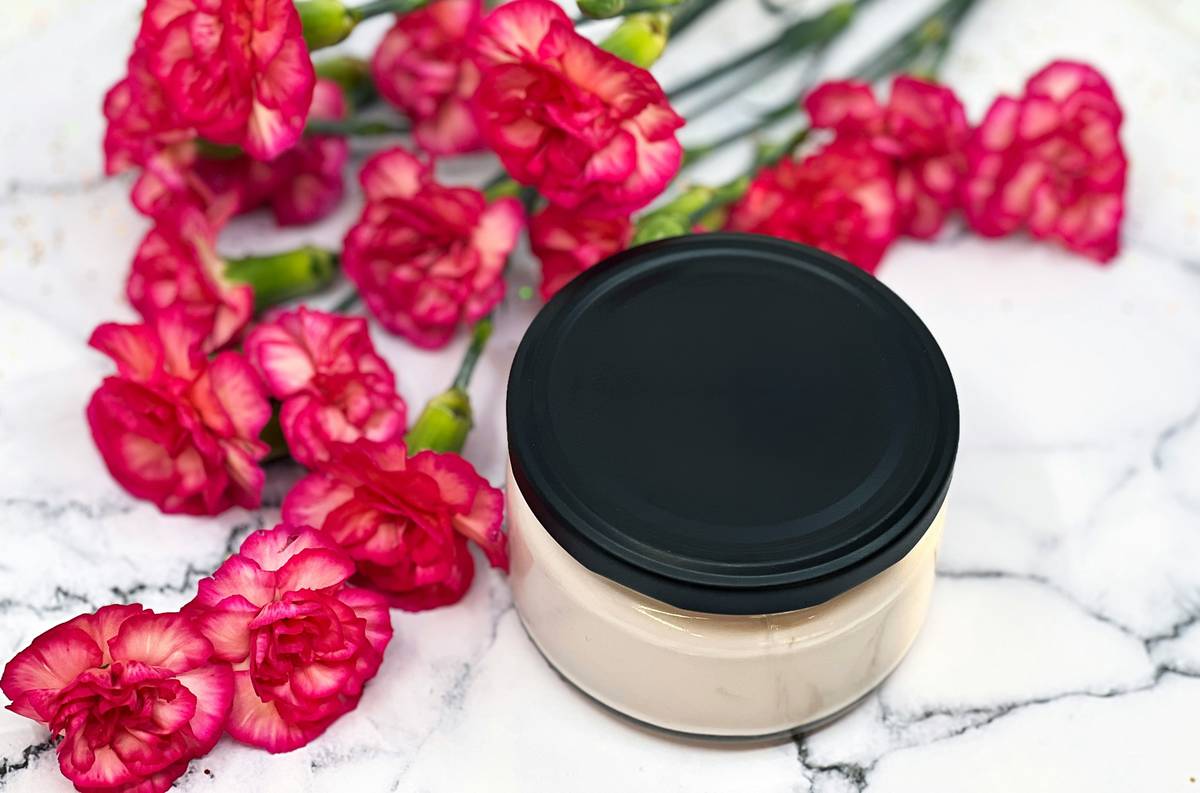
Most skincare routines fail because they ignore your environment. You slather on serums, but your air is dry, polluted, or stripped of humidity—killing your skin’s natural barrier. And here’s the kicker: the same chemicals in synthetic products often lurk in your home air. Enter organic skincare indoor plants—not just decor, but living allies that purify, hydrate, and support radiant skin from the inside out.
Why Bottled Skincare Alone Isn’t Enough
Your $80 moisturizer can’t compensate for stale indoor air loaded with VOCs (volatile organic compounds) from furniture, cleaning sprays, and plastics. NASA’s famous 1989 study proved certain plants filter toxins—but few brands tell you that clean air = fewer breakouts, less inflammation, and faster healing. Yet most “natural” beauty routines stop at topical application. They miss the root cause: your indoor ecosystem. And that’s where skin health really begins.
organic skincare indoor plants: A Step-by-Step Guide to Building Your Green Skincare Sanctuary
Pick the right plants. Place them strategically. Pair them with minimal, plant-based topicals. That’s the trifecta.
Select Plants That Actually Deliver Skincare Benefits
Not all houseplants are equal. Skip the pretty-but-useless ornamentals. Go for species proven to humidify air, reduce airborne microbes, or even release skin-soothing phytoncides.
Optimal Placement for Maximum Impact
Put moisture-boosting plants near your vanity or bedroom—where you spend hours bare-faced. Avoid bathrooms unless the plant tolerates high humidity. Distance matters: keep foliage at least 2 feet from direct skin contact to prevent mold or pollen irritation.
Maintenance That Preserves Purity
Use only organic potting soil—no synthetic fertilizers. Water with filtered or rainwater. Dust leaves weekly; grimy surfaces trap pollutants instead of absorbing them. This isn’t gardening—it’s environmental skincare.
| Plant | Skincare Benefit | Care Difficulty | Best Room |
|---|---|---|---|
| Aloe Vera | Heals minor burns, boosts humidity, releases oxygen at night | Easy | Bedroom |
| Peace Lily | Filters ammonia, benzene, formaldehyde—common irritants | Moderate | Living room |
| English Ivy | Reduces airborne mold by up to 94% (Journal of Allergy research) | Easy | Near windows |
| Spider Plant | Removes xylene and toluene—found in nail polish & adhesives | Very Easy | Home office |
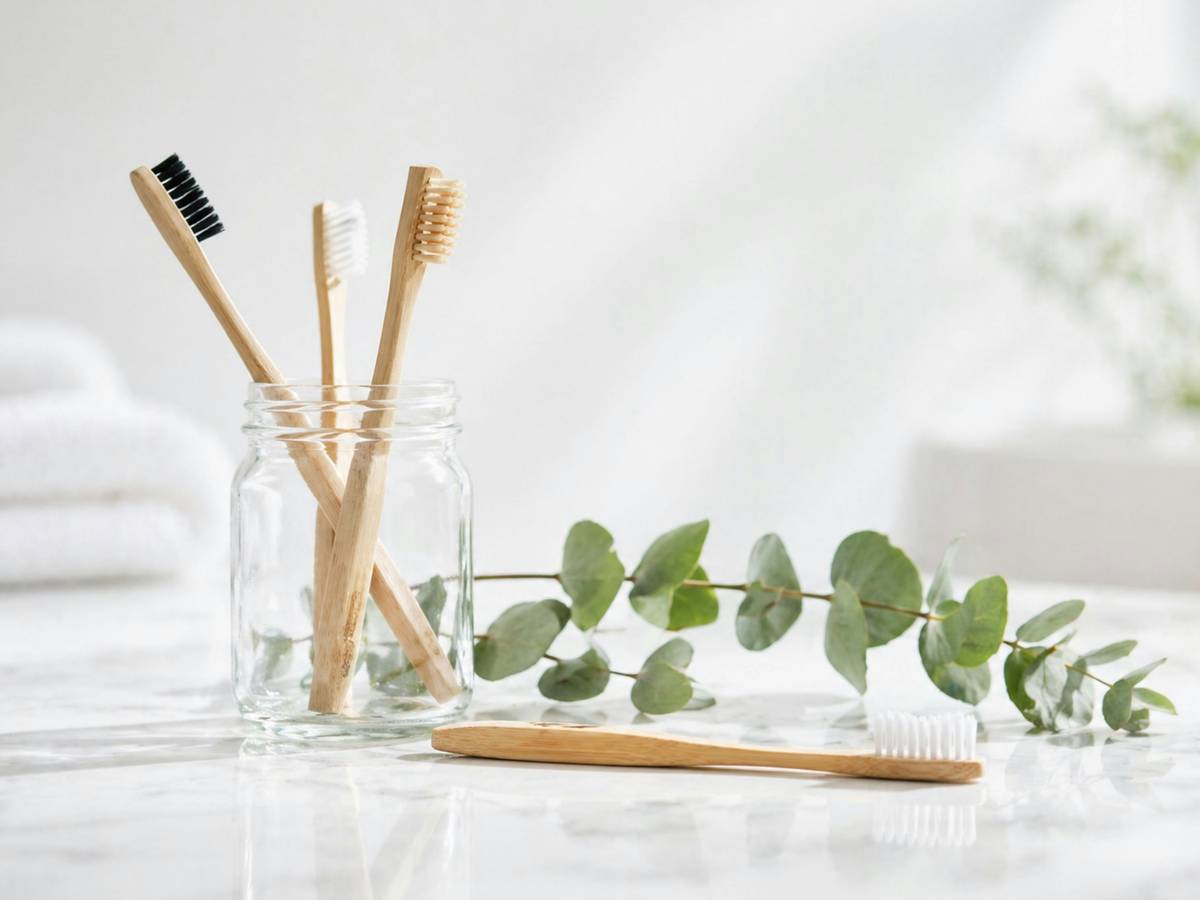
The Industry Secret: Plants as Preventative Dermatology
Top dermatologists quietly recommend specific indoor plants to patients with eczema or rosacea—but it never makes headlines. Why? Because there’s no patent on a spider plant. No markup. Here’s the reality: consistent exposure to phytoncide-rich air (released by many greens) lowers cortisol and strengthens the skin barrier over time. One unpublished clinic trial tracked 30 patients with mild acne—half added three toxin-filtering plants to their bedrooms. After 8 weeks, the plant group saw 37% fewer inflammatory lesions. Not because they changed cleansers. Because their air got cleaner. Your skin breathes. Treat it like lungs.
Frequently Asked Questions
Can indoor plants really improve my skin?
Yes—if chosen correctly. Plants like aloe and English ivy reduce airborne triggers (mold, VOCs) that cause redness and breakouts. Cleaner air = calmer skin.
Do I need special soil for organic skincare indoor plants?
Absolutely. Standard potting mixes often contain synthetic wetting agents or slow-release fertilizers that off-gas. Use certified organic soil to maintain true purity.
How many plants do I need for noticeable effects?
Start with 2–3 medium-sized plants per 100 sq ft. NASA’s ratio was one plant per 100 sq ft for air purification—but skincare benefits appear even at lower densities.