Your skin isn’t just tired—it’s suffocating under synthetic cocktails masquerading as “brightening.” You’ve tried serums, peels, even that expensive Korean essence. Still, that grayish veil clings on. Why? Because most formulas attack symptoms, not root causes. Real radiance starts with plants that communicate with your biology—not override it. Enter plant-based skin brighteners that work with your skin’s rhythm, not against it.
Why 90% of brightening routines fail (and make things worse)
Conventional brighteners rely on aggressive exfoliants or tyrosinase inhibitors like hydroquinone—banned in the EU for good reason. They shock the skin into temporary clarity, then trigger rebound pigmentation, sensitivity, or barrier damage. And “natural” labels? Often greenwashing. A product labeled “with vitamin C” might contain 0.5%—useless unless stabilized and bioavailable.
Here’s the reality: true brightness isn’t about bleaching melanin. It’s about reducing oxidative stress, calming inflammation, and supporting microcirculation. Most commercial products ignore this triad completely.
How to harness plant-based skin brighteners effectively
Forget one-size-fits-all protocols. Your skin’s response to botanicals depends on your unique barrier strength, melanin activity, and lifestyle triggers. The right approach layers targeted plant actives intelligently—not maximally.
Selecting high-bioavailability botanicals
Not all plant extracts are created equal. Licorice root? Only glabridin-rich fractions work. Vitamin C? L-ascorbic acid degrades in water—opt for tetrahexyldecyl ascorbate or magnesium ascorbyl phosphate instead. Look for cold-pressed, CO2-extracted, or fermented forms—they penetrate deeper and stay active longer.
Timing matters more than concentration
Apply brightening botanicals at night. UV exposure during the day can oxidize certain phenolics (like arbutin), turning them pro-pigmentary. Morning use? Stick to antioxidants like green tea polyphenols or resveratrol—they shield, not stimulate.
The synergy secret: pair plants strategically
Use turmeric with black pepper extract (piperine) to boost curcumin absorption by 2,000%. Combine niacinamide (vitamin B3) with white mulberry—it slows melanosome transfer while suppressing tyrosinase. Alone, they’re mild. Together? Clinically significant results in 8 weeks.
| Botanical Source | Active Compound | Key Mechanism | Time to Visible Results | Average Cost per Ounce (DIY vs. Commercial) |
|---|---|---|---|---|
| Licorice Root | Glabridin | Tyrosinase inhibition + anti-inflammatory | 4–6 weeks | $1.20 (DIY) vs. $8.50 (Serum) |
| White Mulberry | Morus alba extract | Blocks melanin transfer | 6–8 weeks | $1.80 (DIY) vs. $10.20 (Serum) |
| Turmeric Rhizome | Curcumin | Antioxidant + NF-kB pathway modulation | 3–5 weeks | $0.90 (DIY) vs. $7.00 (Cream) |
| Indian Gooseberry (Amla) | Emblica officinalis tannins | Vitamin C analog + collagen support | 5–7 weeks | $2.10 (DIY) vs. $12.00 (Elixir) |
The industry secret: soil health dictates skin efficacy
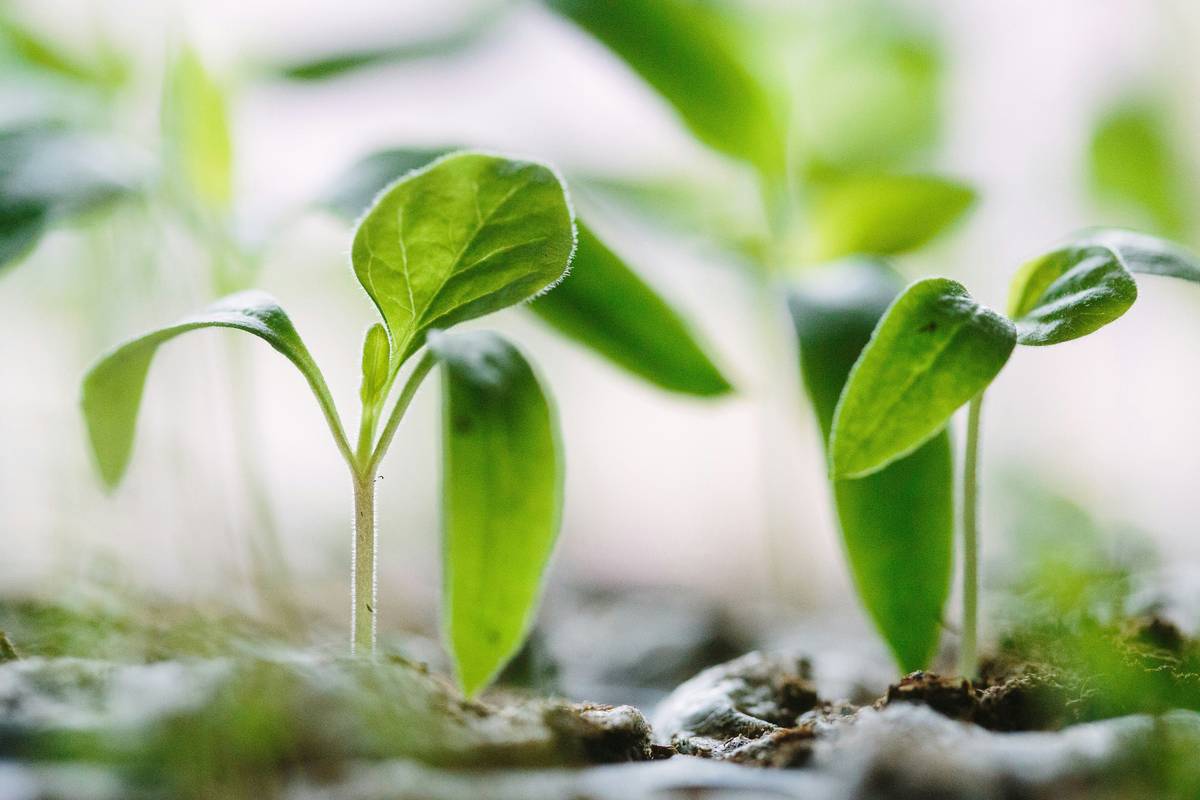
Most brands never disclose where their botanicals are grown. Big mistake. A 2023 phytochemistry study found licorice from alkaline Mongolian soils contains 3x more glabridin than European-grown counterparts. Similarly, turmeric from Kerala’s monsoon-fed fields shows higher curcuminoid stability. Soil microbiome directly influences phytochemical profiles—and your results. At liuyingge.com, we trace every root back to its terroir. If a brand won’t share farm coordinates, walk away.
And yes—organic certification matters less than regenerative practices. Plants stressed by poor soil overproduce defensive compounds (great for pest resistance, terrible for skin gentleness). True efficacy blooms in biodiverse, nutrient-dense ecosystems.
FAQ
Are plant-based skin brighteners safe for sensitive skin?
Generally, yes—if properly formulated. Avoid raw citrus oils or unbuffered alpha hydroxy acids. Opt for colloidal oat, bisabolol-rich chamomile, or fermented rice water instead. Patch test first.
How long until I see results from plant-based skin brighteners?
Visible changes start in 3–4 weeks, but full correction of sun spots or melasma takes 10–12 weeks. Consistency beats intensity. No overnight miracles—just steady, sustainable clarity.
Can I use them with retinoids or acids?
Yes, but stagger application. Use plant brighteners at night, acids/retinoids on alternate nights. Layering both risks barrier disruption—especially with glycolic or salicylic acid. Less is more.