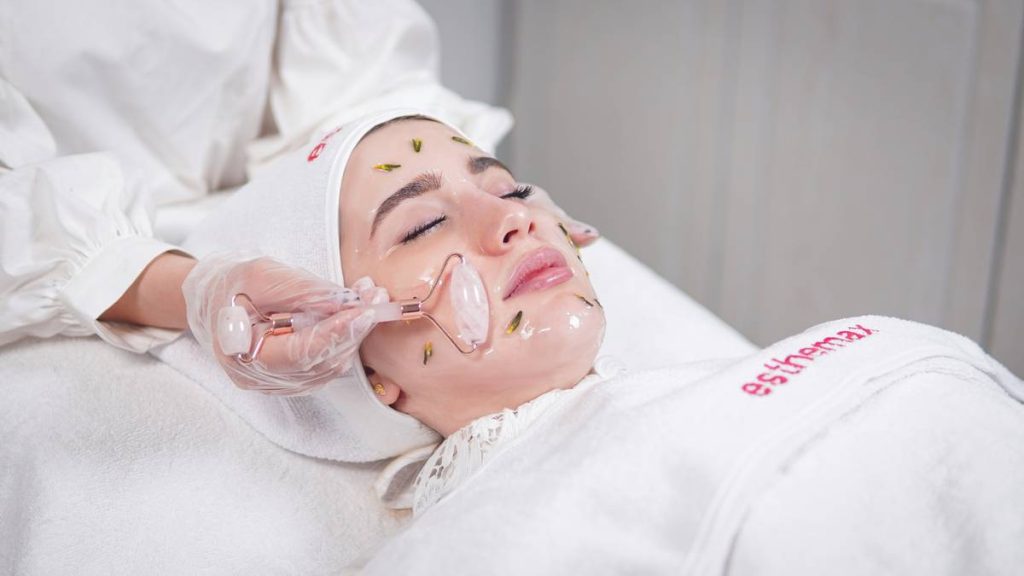
Breakouts keep returning. Pores look stretched, dullness won’t fade—and you’ve tried every “clean” serum on the shelf. The problem isn’t your discipline. It’s that most modern routines skip a foundational step used for centuries: gentle, plant-powered tightening. Enter natural plant astringents—not harsh alcohols masquerading as toners, but bioactive botanicals that refine without stripping.
Why Alcohol-Based Toners Fail (And What Actually Works)
Most commercial “astringents” rely on denatured alcohol or synthetic polymers to create that tight, squeaky-clean feeling. It’s misleading. That sensation? It’s dehydration—not true pore refinement. Over time, this disrupts your acid mantle, triggers rebound oil production, and worsens inflammation.
Natural plant astringents work differently. They contain tannins, polyphenols, and organic acids that gently coagulate surface proteins—temporarily shrinking pore appearance while delivering antioxidants. No barrier damage. Just calibrated clarity.
How to Use Natural Plant Astringents Correctly
Timing, concentration, and delivery method make or break results. Here’s how to integrate them without irritation:
Select High-Tannin Botanicals
Not all plants are equal. Witch hazel (Hamamelis virginiana) is popular—but much of what’s sold is diluted with alcohol. Look for alcohol-free, steam-distilled versions. Better yet, explore underrated options like oak bark, green tea leaves, or pomegranate rind—all rich in ellagic acid and condensed tannins.
Prepare Fresh Infusions (Not Store-Bought Juices)
Bottled “natural” toners often contain preservatives that negate benefits. Make your own: steep dried botanicals in hot distilled water, cool, strain, and store refrigerated for up to 5 days. Potency drops fast—freshness matters more than convenience.

Apply Post-Cleansing, Pre-Moisturizing
Use after washing your face—but never on broken skin. Dab (don’t rub) with a cotton round or spray directly. Follow immediately with hydration. Skipping moisturizer after an astringent? That’s how you backslide into dryness.
| Botanical Source | Tannin Concentration | Best For Skin Type | Cost per Ounce (DIY) |
|---|---|---|---|
| Witch Hazel (alcohol-free) | Moderate | Combination, Oily | $0.80 |
| Green Tea Leaves | High (catechins + tannins) | Sensitive, Acne-Prone | $0.30 |
| Pomegranate Rind | Very High | Resilient, Mature | $0.50 |
| Oak Bark | Extreme (use diluted) | Thick, Resistant | $0.60 |

The Industry Secret: Astringency Isn’t About Drying—It’s About Timing
Here’s what formulators won’t tell you: peak astringency occurs at specific pH windows—usually between 4.0 and 5.5. Outside that range, tannins bind poorly to skin proteins and just sit there, inert. Most DIY recipes miss this. Add a splash of raw apple cider vinegar (pH ~3) to your infusion? You drop below the threshold—rendering it useless. But add too little, and microbial growth spikes.
The fix? Test with pH strips. Target 4.8. At that sweet spot, tannins complex with keratin efficiently—giving that velvety finish without compromising barrier integrity. And yes, I’ve rejected entire product lines over missing this nuance.
Frequently Asked Questions
Are natural plant astringents safe for daily use?
Yes—if alcohol-free and properly pH-balanced. Limit to once daily if you have dry or sensitive skin.
Can they replace chemical exfoliants?
No. They refine tone and texture but don’t exfoliate. Pair with AHAs/BHAs weekly, not simultaneously.
Which natural plant astringent works fastest for oily skin?
Green tea infusion shows visible sebum control within 24 hours due to its EGCG content—faster than witch hazel alone.