Most “natural” skincare routines miss the mark—flooding your routine with trendy oils while ignoring botanicals that actually calm inflammation and restore barrier integrity. You slather on serums promising miracles, yet your skin still flares, dries, or dulls by midday. Here’s the fix: organic violet for skin. Not the synthetic fragrance-laced imposters—but real, wild-harvested violet leaf and flower extracts, rich in mucilage, flavonoids, and saponins that work quietly, deeply, effectively.
Why Your Current “Natural” Skincare Isn’t Working
“Natural” doesn’t mean active—or even safe. Many brands slap “botanical” on labels while stuffing formulas with alcohol denat, essential oils, or isolated compounds that destabilize sensitive skin. Violet? Too subtle for hype cycles. It doesn’t foam, tingle, or peel. So marketers skip it. But your skin notices.
And that’s the tragedy. Because organic violet for skin delivers what modern routines lack: gentle hydration without clogging pores, anti-inflammatory action without steroids, and a pH-balancing effect that strengthens your skin’s microbiome—not disrupts it.
How to Use Organic Violet for Skin: A Practical Protocol
Step 1: Source Authentic Violet Material
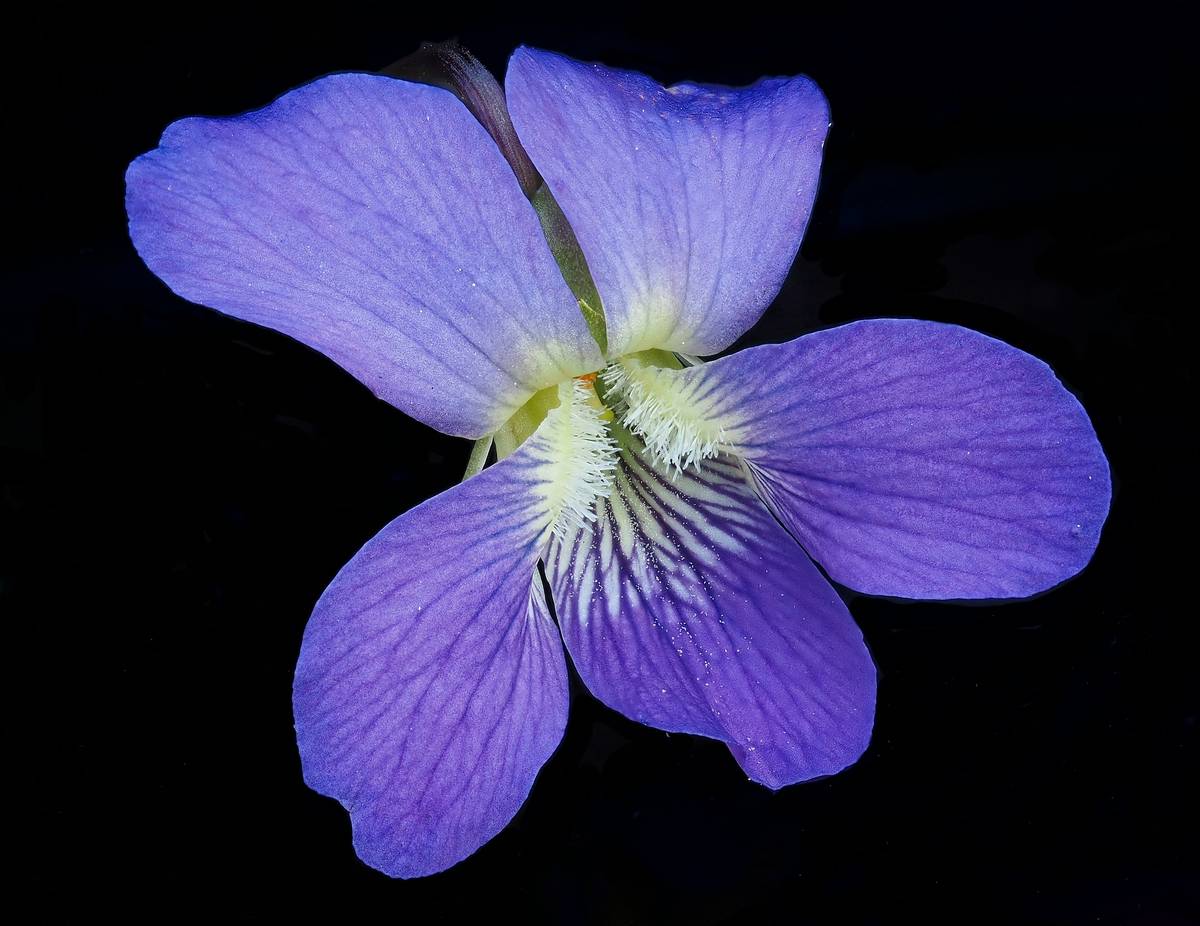
Demand full traceability. Look for Viola odorata or Viola tricolor (wild pansy) grown without pesticides, ideally from biodynamic farms in temperate zones. Dried leaves lose potency fast—opt for fresh-frozen or cold-extracted glycerites.
Step 2: Choose Your Delivery Method
Violet shines in water-based preparations. Alcohol extracts destroy its mucilage—the very component that soothes eczema and rosacea. Skip tinctures. Go for hydrosols, infused oils (via solar infusion, not heat), or cold-process creams.
Step 3: Apply with Intention
Morning or evening? Both—if your skin is reactive. But never layer under actives like retinol or glycolic acid. Violet works best as a standalone calming treatment or final step in minimalist routines. Less is more.
| Preparation Method | Efficacy for Sensitive Skin | Shelf Life | Cost (Relative) |
|---|---|---|---|
| Violet Leaf Infused Oil (Solar Method) | High – non-comedogenic, barrier-supportive | 6–8 months | $$ |
| Violet Flower Hydrosol (Distilled) | Very High – ideal for redness, post-procedure care | 3–6 months (refrigerated) | $ |
| Commercial “Violet” Toner (Alcohol-Based) | Low – strips lipids, triggers rebound dryness | 12+ months | $ |
| Fresh Violet Poultice (DIY) | Extreme – immediate relief for flare-ups | Use immediately | Free (if foraged responsibly) |
The Industry Secret No Brand Wants You to Know
Big green beauty avoids whole-plant violet because it can’t be patented. And without a patent, there’s no 500% markup. Instead, they isolate “violet-derived” molecules—then dilute them into insignificance while charging $48 for 30ml. Real efficacy lives in the synergy: the mucilage softens, the flavonoids quench oxidative stress, the saponins gently cleanse without stripping. Take it apart, and you gut its power.
Here’s the kicker—wild violets grow in most temperate backyards. If you’ve got shade and moist soil, you likely have them already. Ethical foraging (never uproot; harvest only ⅓ of a patch) could cut your skincare costs to zero—and outperform any boutique serum.
FAQ
Is organic violet for skin safe for acne-prone types?
Yes. Unlike heavy oils, violet’s mucilage hydrates without feeding acne bacteria. Its mild saponins even help clear pore debris—making it ideal for congested, inflamed skin.
Can I use violet if I’m allergic to fragrances?
Absolutely. True organic violet extract is nearly odorless when properly prepared. Avoid anything labeled “violet-scented”—that’s synthetic ionones, not botanical material.
How fast does organic violet work on redness?
Within minutes. Apply chilled violet hydrosol as a compress, and watch diffuse redness fade visibly in under 10 minutes—thanks to rutin and other bioflavonoids that stabilize capillaries.