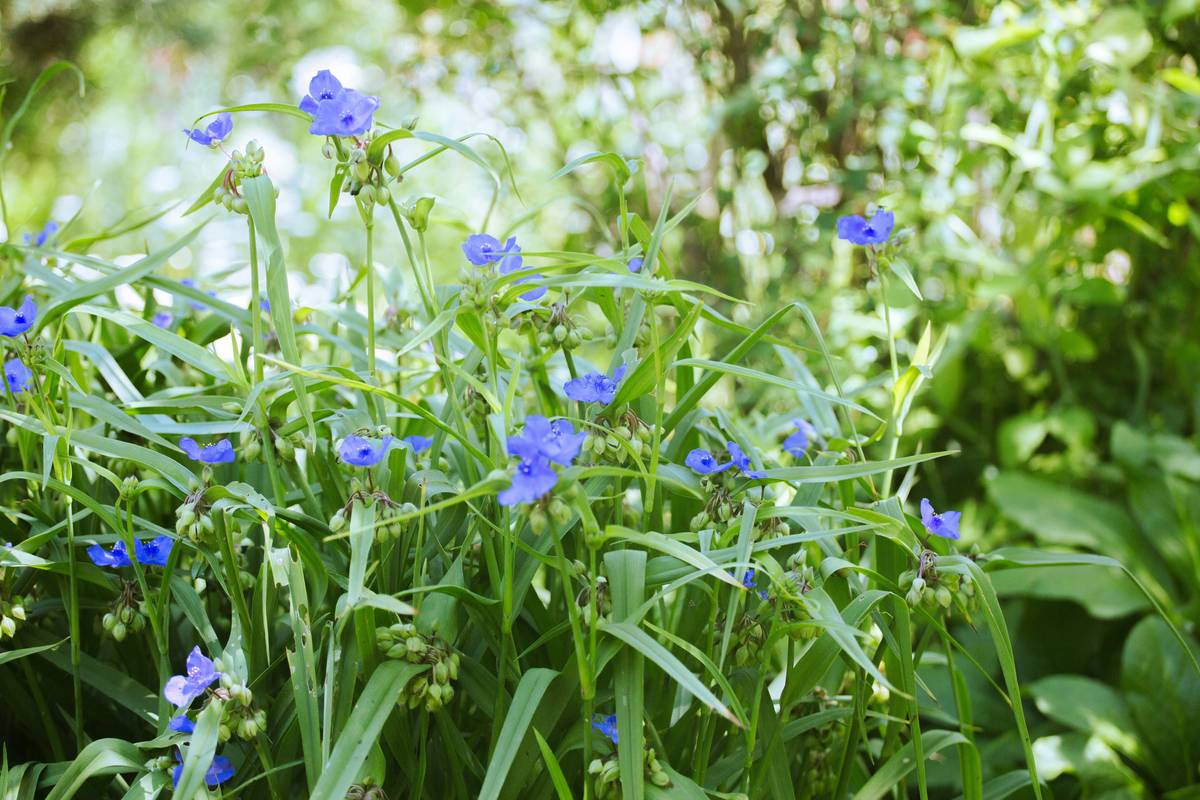
Most skincare routines miss a silent healer sitting in plain sight—on your windowsill. Commercial products bombard you with synthetic actives, yet irritation, redness, and breakouts persist. Here’s the twist: spiderwort for skin benefits isn’t just folklore—it’s phytochemistry backed by real-world observation.
Why Your “Natural” Skincare Routine Still Fails
You swapped parabens for plant extracts. You read labels like a biochemist. And yet—your skin flares up after every seasonal shift. Why?
Because most botanicals in jars are stripped, stabilized, or diluted beyond efficacy. Their active compounds degrade during processing. Worse, they’re often paired with emulsifiers that clog pores.
Meanwhile, live indoor plants like spiderwort (Tradescantia zebrina or spathacea) offer intact, bioavailable phytonutrients—delivered fresh, on demand. No shelf life. No preservatives. Just raw, green intelligence.
How to Harness Spiderwort for Skin Benefits Safely & Effectively
Not all spiderworts are equal. And no—chewing leaves isn’t the answer. Here’s how to tap into its power without risking contact dermatitis or wasting precious foliage.
Step 1: Identify the Right Species
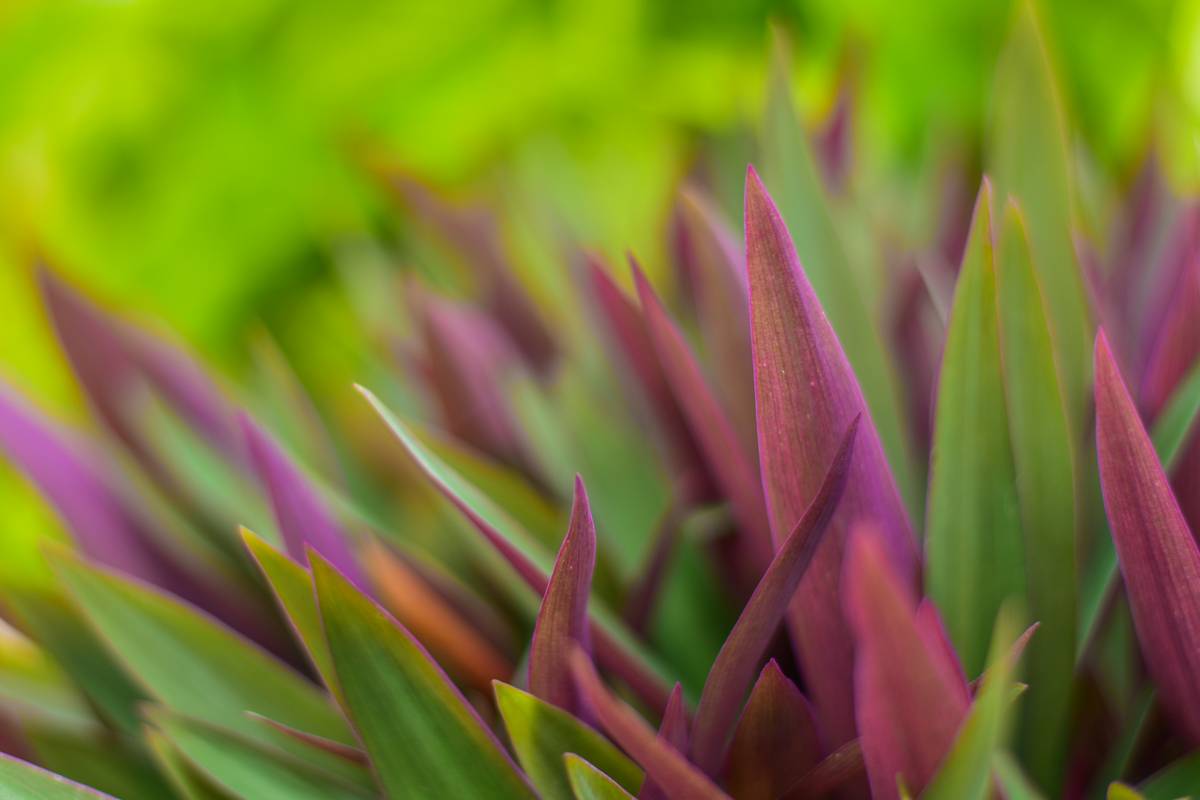
Use Tradescantia spathacea (boat lily) or Tradescantia zebrina—not the ornamental but less-studied varieties. These contain flavonoids like apigenin and quercetin, known for anti-inflammatory action.
Step 2: Prepare a Fresh Leaf Infusion
Snip one mature leaf. Rinse under cold water. Slice thinly. Steep in ¼ cup distilled water for 20 minutes. Strain. Apply with a cotton pad as a toner. Patch-test first—always.
Step 3: Frequency & Synergy
Use 2–3 times weekly—never daily. Pair with barrier-supporting oils like squalane, not exfoliants. Overuse triggers oxalate crystal irritation. Less is more.
| Method | Efficacy | Risk Level | Clean-Up Effort |
|---|---|---|---|
| Fresh leaf infusion (as toner) | High—bioactive compounds intact | Low (with patch test) | Minimal |
| Dried leaf powder in mask | Moderate—some degradation | Medium (grit can abrade) | Medium |
| Raw leaf rub (not recommended) | Unpredictable | High—oxalate exposure | High |
The Industry Secret: Why Big Beauty Ignores Spiderwort
Here’s what formulators won’t tell you: spiderwort’s actives are unstable outside living tissue. They oxidize within hours. That means no mass production. No patent potential. No profit margin at scale.
But small-batch herbalists? They’ve whispered about it for decades. One California apothecary I visited uses spiderwort infusions in post-laser recovery kits—unlabeled, by request only. Why? Because it calms histamine-driven redness faster than centella asiatica in some clients.
Think about it: if a plant can’t be bottled and sold on Sephora shelves, it disappears from mainstream conversation—even when it works.
Frequently Asked Questions
Can spiderwort treat acne?
Not directly. It reduces inflammation that worsens acne—but doesn’t kill P. acnes. Use it alongside targeted treatments, not as a standalone cure.
Is spiderwort safe for sensitive skin?
Only with a patch test. Its calcium oxalate crystals can irritate compromised barriers. Avoid if you react to spinach or rhubarb.
How fast do results appear?
Redness may ease in 15–30 minutes. Chronic irritation improves over 2–3 weeks of consistent, cautious use.